Table of Contents
- Understanding AR/VR SEO: The Next Frontier of Search
- Why Spatial and Immersive Search Matters Now
- Technical Foundations for AR/VR Content Optimization
- Content Strategies for Immersive Experiences
- Metadata Optimization for Spatial Discovery
- User Experience Considerations in Immersive SEO
- Measurement and Analytics for AR/VR Content
- Future Trends in Spatial and Immersive Search
- Getting Started with AR/VR SEO
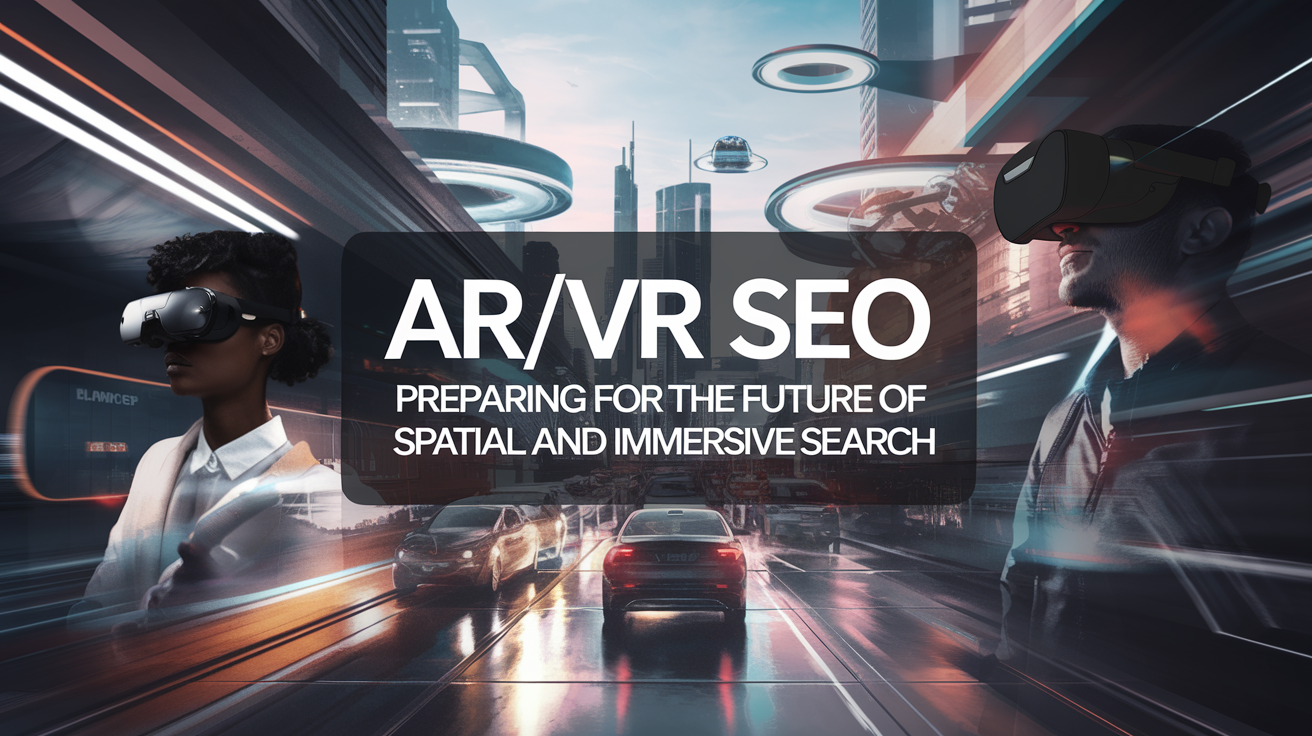
The search landscape is undergoing a dramatic transformation. As augmented reality (AR) and virtual reality (VR) technologies mature, they’re reshaping how users discover and interact with digital content. For forward-thinking brands, this shift presents both a challenge and an unprecedented opportunity to gain competitive advantage.
In a world where digital experiences are increasingly blending with physical reality, traditional SEO approaches are no longer sufficient. AR/VR SEO—optimizing content for spatial and immersive search—requires a fundamental rethinking of how we structure, present, and distribute digital assets.
At Hashmeta, we’ve been closely tracking this evolution and helping brands across Asia prepare for the immersive web. This comprehensive guide will walk you through the essential strategies for optimizing your digital presence for AR/VR search, ensuring your content remains discoverable as these technologies become mainstream consumer touchpoints.
AR/VR SEO: The Future of Immersive Search
A comprehensive guide to optimizing content for spatial experiences
Why AR/VR SEO Matters Now
As spatial computing evolves, brands that establish themselves early will gain significant competitive advantage. With the global AR/VR market projected to reach $454.73 billion by 2030, optimizing for immersive search is no longer optional—it’s essential for future-proofing your digital presence.
Technical Foundations
3D Asset Optimization
- Use glTF, USDZ formats
- Balance polygon count
- Implement LOD techniques
WebXR Implementation
- Ensure cross-browser support
- Optimize loading performance
- Progressive enhancement
Structured Data
- Implement 3DModel schema
- Add geospatial metadata
- Include spatial descriptors
Content Strategy for Immersive Experiences
Spatial Storytelling
Create multi-dimensional narratives that unfold as users explore. Use environmental cues and spatial audio to guide users through immersive stories.
Interactive Elements
Implement physics-based interactions, gaze tracking, and voice commands. These create intuitive experiences that increase engagement and retention.
Metadata Optimization
Include spatial keywords, directional terms, and contextual relevance signals. Consider time-of-day, environmental conditions, and social context in metadata.
User Experience Design
Prioritize comfort, mitigate motion sickness, and ensure accessibility. Develop intuitive navigation systems with consistent gesture controls.
Getting Started: Implementation Roadmap
Phase 1
Content audit & opportunity assessment
Phase 2
WebAR implementation for smartphones
Phase 3
3D asset creation & structured data implementation
Phase 4
Analytics integration & performance optimization
Future Trends to Watch
AI-Powered Spatial Understanding
Automated scene understanding and semantic analysis will revolutionize how spatial content is indexed and matched to search intent.
Spatial Web Standards
Emerging protocols like Universal Scene Description (USD) and Visual Positioning Systems (VPS) will create standardized ways to address and discover spatial content.
Understanding AR/VR SEO: The Next Frontier of Search
AR/VR SEO represents the evolution of search optimization for immersive environments. Unlike traditional SEO which focuses primarily on text and image content displayed on flat screens, spatial search considers three-dimensional spaces, user movement, and contextual relevance within augmented or virtual environments.
When users search in AR/VR contexts, they’re often looking for information that relates to their immediate surroundings or specific virtual experiences. This fundamental shift requires content that can be rendered and experienced in three dimensions, with metadata that describes spatial characteristics alongside traditional descriptive elements.
The major technology companies are already investing heavily in this space. Apple’s Vision Pro, Meta’s Quest series, and Google’s AR development kits are all building the infrastructure for spatial computing and immersive search. As these platforms mature, they’re establishing new protocols for how content gets indexed, ranked, and presented in spatial contexts.
Why Spatial and Immersive Search Matters Now
You might wonder why businesses should invest in AR/VR SEO when mass adoption of these technologies still seems years away. The reality is that the foundations of spatial search are being laid right now, and early adopters stand to gain significant advantages:
First-mover advantage is substantial in this space. Brands that establish themselves as pioneers in immersive experiences often become the default choices as these technologies go mainstream. We’ve seen this pattern repeat with mobile optimization, voice search, and video content.
Major search engines are already incorporating AR elements into traditional search results. Google’s AR features in search now allow users to place 3D models in their physical space directly from search results. This integration of AR into conventional search represents a transitional phase that savvy marketers can leverage today.
The growth trajectory for AR/VR technologies has steepened significantly. Global AR/VR market size is projected to reach $454.73 billion by 2030, growing at a CAGR of 40.7%. This acceleration means brands have less time than expected to prepare their content strategies for immersive discovery.
Technical Foundations for AR/VR Content Optimization
Building a strong technical foundation is crucial for AR/VR SEO success. Here are the essential technical elements to consider:
3D Asset Optimization
Three-dimensional assets form the core of AR/VR experiences. Optimizing these assets requires attention to multiple factors:
File formats matter significantly. glTF (GL Transmission Format) has emerged as the “JPEG of 3D” and is well-supported across platforms. Other common formats include USDZ (Apple’s format for AR Quick Look), FBX, and OBJ. Supporting multiple formats ensures compatibility across devices.
Polygon count and texture resolution balancing is essential. High-fidelity assets improve the experience but can slow loading times and performance. Implementing level-of-detail (LOD) techniques allows assets to adapt based on viewing distance and device capabilities.
Proper compression techniques can substantially reduce file sizes without significant quality loss. For textures, consider using basis universal compression, which is specifically designed for 3D graphics.
WebXR Implementation
WebXR is the evolution of WebVR, providing a standardized way to create AR and VR experiences that run in web browsers. This API enables immersive experiences without requiring users to download separate applications. Our AI marketing team has identified several key considerations for WebXR implementation:
Browser compatibility remains fragmented, so testing across multiple browsers and devices is essential. Progressive enhancement approaches can provide fallback experiences for unsupported browsers.
Loading performance is critical for retention. Implementing asset streaming, where 3D content loads progressively, can significantly improve initial load times. Consider using service workers to cache assets for returning visitors.
WebXR experiences should be responsive to different device capabilities, automatically adjusting complexity based on the hardware’s processing power and connectivity.
Structured Data for Spatial Content
Structured data helps search engines understand and categorize content. For AR/VR experiences, extending schema.org markup with spatial information is becoming increasingly important:
The 3DModel schema type allows you to specify details about 3D assets, including format, dimensions, and interactive capabilities. This schema can be extended with additional properties that describe spatial characteristics.
Location-based structured data becomes crucial for AR experiences tied to physical locations. Implementing LocalBusiness and Place schemas with precise geospatial coordinates improves discoverability in location-aware AR applications.
Content Strategies for Immersive Experiences
While technical optimization creates the foundation, content strategy determines how effectively your AR/VR assets connect with users. At Hashmeta’s content marketing division, we’ve developed several approaches for immersive content:
Spatial Storytelling
Traditional content follows linear narratives, but spatial experiences allow for multi-dimensional storytelling. This requires rethinking how information unfolds around the user:
Environmental narratives use the virtual space itself to tell stories, with information revealed as users explore different areas. This approach rewards curiosity and creates memorable experiences that flat content cannot match.
Consider user agency when designing spatial narratives. Unlike passive content consumption, immersive experiences give users control over their journey, requiring content that responds intelligently to different exploration patterns.
Audio plays a heightened role in spatial experiences. Spatial audio that changes based on user position can guide attention and enhance immersion. This multisensory approach creates stronger memory encoding than visual-only content.
Interactive Elements
Interactivity distinguishes immersive content from passive media. Strategic implementation of interactive elements can significantly boost engagement:
Physics-based interactions create intuitive experiences by mimicking real-world behavior. Objects that can be picked up, manipulated, or combined follow familiar rules that reduce learning curves for users.
Gaze-based interactions utilize eye tracking to respond to what users are looking at, allowing for more natural information retrieval. This can be particularly effective for educational content where information appears when users focus on specific objects.
Voice commands and natural language processing enable conversational interfaces within immersive environments. This multimodal approach to interaction accommodates different user preferences and accessibility needs.
Metadata Optimization for Spatial Discovery
Metadata serves as the bridge between your AR/VR content and search systems. As SEO experts, we recognize that spatial search requires additional metadata considerations beyond traditional SEO:
Spatial Keywords and Descriptors
Spatial search introduces new vocabulary and search patterns that content creators must address:
Directional and positional terms become more prominent in spatial search queries. Users may search for content “above,” “below,” “behind,” or “near” specific reference points. Incorporating these spatial relationships in metadata improves contextual relevance.
Scale and dimension descriptors help match content to search intent. Users searching for “life-size elephant AR” or “room-scale meditation environment” have specific size expectations that your metadata should address.
Movement-based descriptors indicate how users can navigate or interact with the experience. Terms like “walkable,” “flythrough,” or “360-degree” set appropriate expectations for the type of movement supported.
Contextual Relevance Signals
Context plays an expanded role in spatial search, with several new relevance factors:
Time-of-day relevance can be crucial for AR experiences. Content that looks different at night versus day, or that’s specifically designed for certain lighting conditions, should include temporal metadata to match user contexts.
Weather and environmental condition metadata helps AR experiences adapt appropriately. Experiences designed for specific weather conditions (like rainy day games or sunny weather visualizations) should signal these preferences.
Social context metadata indicates whether experiences are designed for individual users or groups. Specifying “multi-user,” “collaborative,” or “spectator mode” helps match content to social contexts.
User Experience Considerations in Immersive SEO
User experience metrics are increasingly important in search ranking, and immersive experiences introduce new UX factors to optimize for:
Comfort and Accessibility
Physical comfort directly impacts user engagement with immersive content:
Motion sickness mitigation should be a primary concern. Maintaining consistent frame rates, avoiding artificial locomotion when possible, and providing comfort settings can significantly reduce discomfort. These factors are likely to influence rankings as platforms prioritize user well-being.
Session length considerations reflect the physical nature of immersive experiences. Unlike traditional websites where longer sessions are generally positive signals, AR/VR content should be optimized for appropriate durations based on the activity’s physical demands.
Inclusive design ensures content is accessible to diverse users. Providing multiple interaction methods (gaze, controller, voice), adjustable text sizes, and alternative sensory feedback makes experiences more universally accessible.
Intuitive Navigation
Navigation paradigms in spatial environments differ fundamentally from 2D interfaces:
Spatial wayfinding systems help users understand where they are and what’s available. Clear landmarks, consistent visual language, and spatial audio cues can guide users without relying on traditional UI elements.
Gesture standardization improves learnability across experiences. Following emerging platform conventions for common actions (like selecting, grabbing, or menu activation) reduces cognitive load and improves engagement metrics.
Progressive disclosure of features prevents overwhelming users in immersive spaces. Introducing functionality gradually as users become comfortable with the environment leads to better completion rates and satisfaction scores.
Measurement and Analytics for AR/VR Content
Effective optimization requires robust measurement. Our consulting team recommends tracking these metrics for AR/VR content:
Spatial Engagement Metrics
Traditional engagement metrics must be adapted for three-dimensional spaces:
Attention mapping tracks where users look and for how long. Heat maps of gaze patterns reveal which elements attract attention and which go unnoticed, providing insights similar to eye-tracking studies for websites.
Movement patterns show how users navigate through virtual spaces. Analyzing these pathways helps identify bottlenecks, popular viewpoints, and overlooked areas that might contain important content.
Interaction density measures how frequently users interact with elements in different spatial regions. This helps optimize the placement of interactive elements for discovery and engagement.
Technical Performance Monitoring
Technical performance directly impacts user experience in immersive environments:
Frame rate stability is perhaps the most critical performance metric. Drops below recommended rates (typically 60-90 fps depending on the platform) can cause discomfort and high abandonment rates.
Asset loading times affect initial engagement. Monitoring these times across different network conditions helps optimize progressive loading strategies and asset compression.
Device compatibility tracking identifies which hardware configurations experience technical issues. This data guides decisions about which platforms to prioritize and where additional optimization is needed.
Future Trends in Spatial and Immersive Search
The field of AR/VR SEO is evolving rapidly. Our marketing services team continuously monitors these emerging trends:
AI-Powered Spatial Understanding
Artificial intelligence is transforming how systems interpret and index spatial content:
Automated 3D scene understanding allows search systems to comprehend spatial relationships without explicit tagging. AI can identify objects, spatial arrangements, and even potential interactions within virtual environments.
Semantic scene analysis goes beyond object recognition to understand the purpose and context of virtual spaces. This enables more nuanced matching of content to intent-based queries like “peaceful meditation space” or “challenging obstacle course.”
Cross-modal understanding connects text, image, audio, and spatial data. This allows users to search with one modality (like voice) and receive results in another (like 3D objects), creating more flexible search experiences.
Our AI SEO services leverage these technologies to help brands prepare for the next generation of search.
Spatial Web Standards
Emerging standards will shape how spatial content is created, shared, and discovered:
The Spatial Web protocol aims to standardize how physical and virtual spaces are described, addressed, and interconnected. This could create a system similar to URLs but for three-dimensional spaces and objects.
Interoperable asset standards are evolving to allow 3D content to move seamlessly between platforms. Universal Scene Description (USD) is gaining traction as a potential standard for describing 3D scenes in a platform-agnostic way.
Spatial positioning systems like visual positioning service (VPS) are creating persistent AR layers anchored to physical locations. These systems will enable location-based AR content discovery similar to how local SEO works today.
Getting Started with AR/VR SEO
For businesses looking to prepare for spatial and immersive search, we recommend a phased approach:
Assessment and Planning
Begin by evaluating your current content and identifying opportunities for immersive experiences:
Content audit with a spatial lens helps identify which existing assets could be enhanced with AR/VR elements. Product visualizations, how-to guides, and location-based content often present natural starting points.
Competitor analysis of immersive initiatives provides benchmark data and inspiration. Even if competitors aren’t actively using AR/VR, examining adjacent industries can reveal transferable approaches.
Audience readiness assessment determines whether your users have access to and interest in immersive experiences. This helps prioritize investments based on adoption rates in your target demographic.
Implementation Strategy
With assessment complete, develop a practical implementation roadmap:
Start with WebAR experiences that work on standard smartphones. These have the lowest barrier to entry for users and can be implemented without specialized development skills using various WebAR platforms.
Create 3D versions of key products or locations that can be embedded in your existing website. These assets can later be repurposed for more advanced AR/VR experiences as the technology matures.
Implement basic structured data for 3D assets even before full immersive experiences are developed. This creates a foundation for future discoverability as search engines enhance their spatial indexing capabilities.
Partner with an agency experienced in both SEO consulting and immersive technology to develop a comprehensive strategy tailored to your specific business goals.
At Hashmeta, our integrated approach combines technical expertise with strategic marketing insights to help brands navigate this emerging landscape. Our work with over 1,000 brands across Asia has given us unique insights into how different industries can leverage immersive technologies for business growth.
Conclusion: Preparing for the Immersive Future
AR/VR SEO represents a paradigm shift in how content is created, discovered, and experienced. While mass adoption of immersive technologies is still developing, the foundations being laid today will determine which brands thrive in the spatial web of tomorrow.
By understanding the technical requirements, content strategies, metadata considerations, and measurement approaches outlined in this guide, forward-thinking organizations can begin building their immersive presence now. This proactive approach not only prepares them for future search paradigms but also creates differentiating experiences that engage users in entirely new ways.
The transition to spatial and immersive search won’t happen overnight, but neither did the shift to mobile or voice search. Brands that invested early in those transitions gained significant advantages that persisted for years. AR/VR SEO presents a similar opportunity—one that combines the discovery power of search with the engagement potential of immersive experiences.
As with any emerging technology, the key is to start with strategic experimentation, measure results diligently, and build on successful approaches. By taking this measured but progressive approach, brands can position themselves at the forefront of the next digital revolution.
Ready to Optimize Your Content for AR/VR Experiences?
Hashmeta’s team of digital marketing specialists combines cutting-edge AI technology with deep industry expertise to help your brand prepare for the future of immersive search. Whether you’re just beginning to explore AR/VR opportunities or looking to enhance your existing immersive content strategy, our data-driven approach delivers measurable results.