Table of Contents
- What is Employee Advocacy on Social Media?
- 5 Key Benefits of Employee Advocacy Programs
- How to Build an Effective Employee Advocacy Program
- Content Strategies for Successful Employee Advocacy
- Measuring the Success of Your Employee Advocacy Program
- Common Challenges and How to Overcome Them
- Tools and Platforms to Power Your Employee Advocacy
- Real-World Examples: Employee Advocacy Success Stories
- Conclusion: The Future of Employee Advocacy
In today’s digital landscape, brands are constantly searching for authentic ways to cut through the noise and connect with their audience. While carefully crafted corporate messages have their place, nothing resonates quite like the genuine voice of your employees. This is where employee advocacy on social media becomes a powerful strategy.
Employee advocacy transforms your workforce from passive spectators into active participants in your brand story. It’s about empowering your team members to share their experiences, insights, and passion for your company across their personal social networks—creating a ripple effect that extends far beyond your official corporate channels.
At Hashmeta, we’ve seen firsthand how employee advocacy programs can dramatically amplify social media reach, boost engagement, and drive measurable business outcomes. In this comprehensive guide, we’ll explore everything you need to know about turning your staff into effective brand storytellers: from building a strategic program and creating compelling content to measuring success and overcoming common challenges.
What is Employee Advocacy on Social Media?
Employee advocacy on social media refers to the promotion of a company by its employees. It’s when team members voluntarily share content about your organization, its products, services, or culture across their personal social media channels. This content might include company news, blog posts, job openings, product announcements, event information, or even personal experiences within the workplace.
Unlike traditional corporate messaging, employee advocacy leverages the authenticity and trusted relationships that your team members have built with their networks. When employees share your brand message, they add their personal perspective and voice—transforming corporate content into relatable, human stories that resonate more deeply with audiences.
Employee advocacy is not about forcing staff to become marketing mouthpieces. Rather, it’s about creating an environment and providing tools that empower willing employees to share content they genuinely find valuable, interesting, or meaningful. The most successful employee advocacy programs arise from a healthy company culture where employees naturally want to associate themselves with the brand.
5 Key Benefits of Employee Advocacy Programs
1. Expanded Organic Social Reach
One of the most immediate benefits of employee advocacy is the dramatic expansion of your social media reach. According to LinkedIn, the average employee has 10 times more connections than a company has followers. When multiple employees share content, your brand message can potentially reach audiences that would otherwise be inaccessible through corporate channels alone.
This expanded reach becomes especially valuable as organic reach on many social platforms continues to decline. Employee-shared content typically enjoys higher visibility in social algorithms because it comes from personal profiles rather than business pages.
2. Enhanced Brand Credibility and Trust
People trust recommendations from individuals they know far more than they trust branded content. Edelman’s Trust Barometer consistently finds that employees are considered more trustworthy sources about a company than its CEO, founder, or marketing materials. When your team members share positive experiences and content about your organization, they lend their personal credibility to your brand message.
This authenticity is particularly valuable in industries where trust is paramount, such as financial services, healthcare, or B2B services. Through our content marketing work with clients across Asia, we’ve observed consistently higher engagement rates on employee-shared content compared to identical posts from official company accounts.
3. Improved Employee Engagement and Retention
Employee advocacy doesn’t just benefit your external marketing efforts—it also strengthens your internal culture. When employees actively participate in telling your brand story, they typically feel more connected to the organization’s mission and values. This increased engagement can lead to higher job satisfaction, improved retention rates, and a stronger sense of community within the workplace.
Research from MSL Group indicates that employees engaged in advocacy programs are 20% more likely to stay with their company and 27% more likely to feel optimistic about their company’s future.
4. Cost-Effective Marketing Channel
Compared to traditional paid advertising or influencer marketing, employee advocacy can deliver impressive results at a fraction of the cost. While there may be initial investments in training, content creation, and possibly advocacy tools, the ongoing costs are minimal compared to paid media campaigns.
For startups and growing businesses with limited marketing budgets, employee advocacy offers a way to maximize visibility without draining resources. Moreover, the authenticity of employee-shared content often results in higher engagement rates than paid promotion, delivering better ROI.
5. Talent Attraction
When employees share positive experiences about their workplace, they naturally become recruiters for your organization. Potential candidates are increasingly researching company culture through employees’ social media profiles before applying for positions. An active employee advocacy program showcases your workplace culture authentically, helping to attract talent whose values align with your organization.
This proves particularly valuable in competitive industries where the battle for top talent is intense. According to LinkedIn data, companies with engaged employees in social sharing are 58% more likely to attract top talent and 20% more likely to retain them.
How to Build an Effective Employee Advocacy Program
Start with a Strong Company Culture
Effective employee advocacy begins with a healthy internal culture. Before launching any formal program, ensure your company culture is one that employees genuinely want to promote. Anonymous surveys or focus groups can help identify areas where internal sentiment might need improvement before encouraging external advocacy.
Remember that authenticity is the foundation of successful advocacy. If employees don’t believe in your company’s mission or feel valued, their advocacy efforts will either be non-existent or come across as inauthentic to their networks.
Define Clear Objectives
Like any marketing initiative, your employee advocacy program needs defined goals. Are you primarily looking to increase brand awareness? Generate leads? Attract talent? Support your SEO strategy? Different objectives will influence your approach to content, measurement, and program structure.
Establish specific, measurable KPIs that align with these objectives. These might include metrics like reach, engagement, website traffic, lead generation, or application rates for job postings. With defined metrics in place, you can evaluate your program’s success and make data-driven adjustments.
Create Clear Social Media Guidelines
While employee advocacy thrives on authenticity, providing clear guidelines helps employees feel confident about what they can and cannot share. Develop straightforward social media policies that:
- Clarify what company information is shareable vs. confidential
- Provide guidance on tone and messaging
- Offer examples of appropriate content to share
- Outline any regulatory compliance requirements (especially important in regulated industries)
- Specify how to handle negative comments or questions
The key is striking the right balance—guidelines should provide clarity without being so restrictive that they stifle authentic expression or discourage participation.
Provide Training and Resources
Many employees may be hesitant to participate in advocacy because they lack confidence in their social media skills or understanding of what content would be valuable to share. Comprehensive training can address these concerns while ensuring your advocacy program represents your brand effectively.
Consider offering workshops or resources on:
- Social media best practices for professional use
- How to optimize profiles on different platforms
- Content curation and personalization techniques
- Engagement strategies (when and how to respond to comments)
- Platform-specific features and functionality
At Hashmeta, our Marketing Academy services can help organizations develop customized training programs that empower employees across different departments and seniority levels to become effective brand advocates.
Make Participation Voluntary
The most successful employee advocacy programs are built on voluntary participation. Forced advocacy not only comes across as inauthentic but can also create resentment among employees. Instead of mandating participation, focus on making your program attractive and easy to join.
Start with naturally enthusiastic employees who can serve as program champions. Their positive experiences can help encourage others to participate over time. As the program demonstrates value, more employees will likely want to get involved.
Content Strategies for Successful Employee Advocacy
Create Share-Worthy Content
For employees to become consistent advocates, they need access to content they genuinely want to share. This content should reflect well on them professionally while providing value to their networks. The most shareable content typically falls into several categories:
Educational content: Industry insights, research reports, and thought leadership pieces that help employees position themselves as knowledgeable professionals in their field.
Company culture content: Behind-the-scenes looks, team activities, and values-in-action stories that showcase your workplace in an authentic light.
Career development: Content about professional growth, skills development, or job opportunities that employees can share with like-minded professionals.
Customer success stories: Case studies and testimonials that demonstrate the real-world impact of your products or services.
Encourage Content Personalization
While providing ready-to-share content is important, the most effective employee advocacy happens when team members put their personal spin on company messages. Encourage employees to add their thoughts, experiences, or insights when sharing corporate content.
This personalization not only makes the content feel more authentic but also helps it perform better in social media algorithms, which typically prioritize original commentary over simple reshares. Using AI marketing tools can help generate personalization suggestions that employees can further customize to their voice.
Leverage User-Generated Content
Some of the most powerful advocacy content comes from employees themselves, not the marketing department. Create opportunities for employees to generate their own content about their experiences with the company.
This might include:
- Employee takeovers of company social accounts
- Day-in-the-life videos or posts
- Personal success stories or professional milestones
- Photos from team events or workplace activities
- Personal perspectives on industry trends or company innovations
User-generated content not only provides authentic material for your advocacy program but also gives employees a sense of ownership and investment in the company’s narrative.
Create Platform-Specific Content
Different social platforms have distinct formats, audiences, and content preferences. What works on LinkedIn may not be effective on Instagram or Twitter. For maximum impact, tailor content for each major platform where your employees are active.
For example:
LinkedIn: Focus on professional insights, industry trends, company milestones, and thought leadership content.
Instagram: Prioritize visually appealing content that showcases company culture, behind-the-scenes glimpses, and employee experiences.
Twitter: Create concise, timely updates, industry news commentary, and conversation starters.
Xiaohongshu: For companies operating in Asia, Xiaohongshu marketing through employee content can be particularly effective with authentic, lifestyle-oriented content.
Measuring the Success of Your Employee Advocacy Program
Track Engagement and Reach Metrics
The most immediate indicators of your program’s performance are traditional social media metrics like reach, impressions, engagement rates, and click-through rates. Compare the performance of employee-shared content against your corporate channels to quantify the expanded reach your advocacy program provides.
Advanced AI marketing agency tools can help aggregate these metrics across multiple employees and platforms, providing a comprehensive view of your program’s social media impact.
Measure Website Traffic and Conversions
Beyond social engagement, track how employee advocacy impacts your website metrics. Implement UTM parameters or dedicated tracking links for employee-shared content to measure:
- Traffic from employee advocacy efforts
- Time on site for visitors from employee-shared links
- Conversion rates for different actions (lead form submissions, downloads, etc.)
- Revenue attributed to employee-driven traffic
This data helps quantify the business impact of your advocacy program, connecting social activities to tangible outcomes that matter to leadership.
Assess Internal Engagement
Employee advocacy programs have internal benefits that should also be measured. Track metrics like:
- Participation rates (what percentage of employees are actively involved)
- Activity levels (how frequently employees share content)
- Content popularity (which types of content employees choose to share most often)
- Program satisfaction (through surveys or feedback sessions)
These internal metrics provide insights into program health and help identify opportunities for improvement.
Calculate ROI
To demonstrate the value of your employee advocacy program to leadership, calculate its return on investment. Consider factors such as:
Cost savings: Compare the reach and engagement achieved through employee advocacy versus what the equivalent would cost through paid advertising.
Lead generation value: Assign a value to leads generated through employee-shared content based on your typical lead-to-customer conversion rate and customer lifetime value.
Recruitment savings: Quantify reduced recruitment costs from employee-referred candidates.
This ROI calculation helps secure ongoing support and resources for your advocacy program by demonstrating its financial impact.
Common Challenges and How to Overcome Them
Low Participation Rates
One of the most common challenges for new advocacy programs is limited employee participation. This often stems from uncertainty about what to share, concerns about mixing professional and personal presence online, or simply forgetting to engage regularly.
Solution: Start with a pilot program involving naturally enthusiastic employees. Use their success stories to demonstrate value to others. Consider implementing a gamification element with recognition for active participants. Most importantly, make sharing easy with one-click options and suggested content.
Content That Feels Too Corporate
If the content provided for employee sharing feels overly promotional or corporate, employees may be reluctant to share it with their personal networks.
Solution: Balance promotional content with educational, cultural, and industry insight pieces. Encourage employees to add their personal perspectives when sharing. Involve employees in the content creation process to ensure it resonates with them.
Maintaining Momentum
Initial enthusiasm for advocacy programs often wanes over time without proper nurturing and support.
Solution: Regularly refresh your content and approach to keep the program engaging. Celebrate and share success stories of how employee advocacy is benefiting both the company and individual employees. Consider implementing a formal recognition program for consistent advocates.
Measuring and Attributing Results
Tracking the impact of content shared across multiple employees’ personal networks can be technically challenging.
Solution: Invest in an employee advocacy platform that provides comprehensive analytics or work with an SEO consultant who can help implement proper tracking. Use unique tracking links for employee-shared content to accurately attribute traffic and conversions. Regularly share these metrics with both leadership and participating employees.
Tools and Platforms to Power Your Employee Advocacy
Dedicated Employee Advocacy Platforms
For organizations serious about scaling their advocacy programs, dedicated employee advocacy platforms offer comprehensive functionality. These platforms typically provide content libraries, scheduling tools, analytics, and gamification features to streamline program management.
Popular options include Hootsuite Amplify, Sprout Social’s Employee Advocacy, GaggleAMP, and Oktopost. These platforms simplify content distribution and provide detailed metrics on both program participation and content performance.
Internal Communication Tools
For companies just starting with employee advocacy, existing internal communication tools can serve as distribution channels for shareable content. Platforms like Slack, Microsoft Teams, or your company intranet can be used to share content suggestions and make it easy for employees to find and share approved materials.
These solutions require more manual tracking but offer a low-cost entry point for organizations testing the waters with employee advocacy.
Content Creation Tools
Employees are more likely to share content when it looks professional and reflects well on their personal brand. Provide access to simple design tools like Canva or Adobe Express that allow for easy customization of templates while maintaining brand consistency.
AI marketing tools can also help generate personalized content suggestions or captions that employees can further customize to their voice, making sharing more efficient while preserving authenticity.
Analytics and Tracking Solutions
Beyond the analytics provided by dedicated advocacy platforms, consider implementing additional tracking with tools like Google Analytics, UTM parameters, or custom short links through services like Bitly. These provide deeper insights into how employee-shared content contributes to your broader marketing objectives.
For organizations with advanced data needs, AI SEO tools can help identify which types of employee-shared content have the greatest impact on your search visibility and organic traffic.
Real-World Examples: Employee Advocacy Success Stories
IBM’s Social Selling Program
IBM implemented an employee advocacy program focused on enabling their sales teams to become thought leaders and relationship builders on social media. The program provided training, content resources, and tools to help sales professionals engage prospects through valuable content sharing rather than direct selling.
The results were impressive: IBM reported that sales professionals who effectively leveraged social selling generated 45% more opportunities and were 51% more likely to reach their quotas compared to those who didn’t engage in the program.
Starbucks’ Partners (Employees) as Brand Ambassadors
Starbucks has built a culture where employees (called “partners”) naturally become advocates across social platforms. The company encourages partners to share their experiences through hashtags like #ToBeAPartner, creating authentic glimpses into the Starbucks culture.
This approach has generated significant organic reach while simultaneously strengthening the company’s employer brand. Starbucks consistently ranks among the most desirable retail employers, with their employee advocacy program playing a meaningful role in attracting top talent.
Adobe’s Social Shift Program
Adobe implemented a comprehensive employee advocacy program called Social Shift, which includes training, content resources, and recognition for active employees. What makes their approach notable is the emphasis on helping employees build their personal brands while advocating for Adobe.
This win-win approach resulted in over 30% of Adobe employees actively participating in the program and generated millions of dollars in additional pipeline value through employee-shared content. The program also contributed to Adobe’s recognition as one of the best places to work in the technology sector.
Conclusion: The Future of Employee Advocacy
As social media continues to evolve and consumers increasingly seek authentic connections with brands, employee advocacy will only grow in importance. The organizations that successfully harness the collective voice of their workforce will enjoy advantages in brand awareness, credibility, talent attraction, and ultimately, business growth.
The most successful employee advocacy programs share common elements: they’re built on strong company cultures, provide valuable and easily shareable content, offer clear guidelines without stifling authenticity, and recognize employees’ contributions. Most importantly, they create mutual value—benefiting both the organization and the participating employees.
At Hashmeta, we believe that the future of employee advocacy will be increasingly data-driven, with marketing technology enabling more personalized content recommendations and sophisticated measurement of program impact. Through our consulting services, we help organizations across Asia develop employee advocacy strategies that leverage these emerging capabilities to create sustainable competitive advantage.
Whether you’re just beginning to explore employee advocacy or looking to enhance an existing program, remember that authenticity remains the foundation of success. When employees genuinely believe in your organization’s mission and values, their advocacy becomes not just a marketing tactic, but a powerful expression of your company’s true identity.
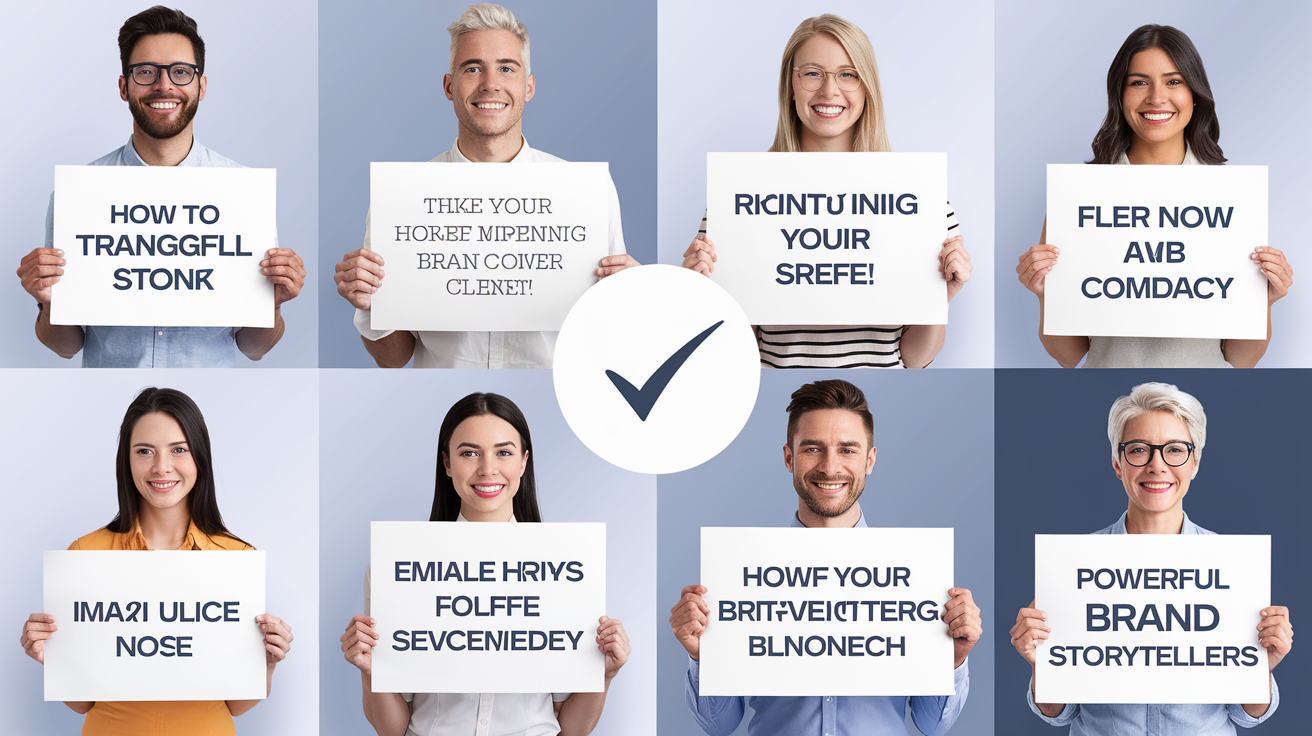
Employee advocacy represents one of the most authentic and cost-effective approaches to expanding your brand’s social media presence and building trust with your audience. By transforming your employees from passive observers into active brand storytellers, you create a powerful amplification network that extends your reach far beyond what’s possible through corporate channels alone.
The key to success lies in creating a program that benefits everyone involved: your organization gains extended reach and credibility; your employees enhance their professional reputation; and your audience receives more authentic, valuable content. With the right strategy, tools, and organizational support, employee advocacy can become a cornerstone of your digital marketing ecosystem.
As social media continues to evolve, the human connection that employee advocacy provides will only become more valuable. The organizations that invest in empowering their workforce to share their experiences and insights will enjoy a significant advantage in building meaningful relationships with their audience.
Ready to transform your employees into powerful brand storytellers? Hashmeta’s team of social media and content marketing specialists can help you design and implement an employee advocacy program tailored to your unique business goals. Contact us today to explore how employee advocacy can amplify your brand’s voice and drive measurable business results.