Table of Contents
- Understanding International SEO: Strategy Before Tactics
- Identifying and Researching Global Market Opportunities
- Structuring Your International Website for Success
- Technical Foundations for Global SEO Performance
- Content Localization Strategies that Convert
- Measuring and Scaling Your International SEO Success
- Conclusion and Next Steps
In today’s interconnected digital landscape, geographic boundaries are increasingly becoming invisible. Yet, when it comes to search engine visibility, these borders remain surprisingly significant. Whether you’re an established enterprise looking to expand your digital footprint or a growing brand seeking new revenue streams, international SEO offers a pathway to untapped markets and audiences around the globe.
International SEO is much more than simply translating your existing content or creating country-specific websites. It’s a strategic approach to making your brand discoverable, relevant, and compelling to users in different countries, speaking different languages, and using different search engines.
At Hashmeta, we’ve guided over 1,000 brands through successful international expansions across Asia and beyond. Our team of 50+ specialists has developed data-driven methodologies that blend technical expertise, cultural insights, and AI-powered tools to create international SEO strategies that truly scale.
In this comprehensive guide, we’ll walk you through the essential components of an effective international SEO strategy, from initial market research to technical implementation and performance measurement. Whether you’re targeting neighboring countries in Southeast Asia or planning a global rollout, these principles will help you create a scalable foundation for worldwide search visibility.
1. Understanding International SEO: Strategy Before Tactics
International SEO is the process of optimizing your website to attract traffic from users in multiple countries or speaking different languages. Unlike domestic SEO, which focuses on ranking within a single market, international SEO requires a nuanced understanding of different search engines, user behaviors, cultural contexts, and technical requirements.
The most successful international SEO campaigns begin with strategy, not tactics. Before diving into hreflang tags or URL structures, it’s crucial to define your business objectives and understand how different markets align with your overall growth plans.
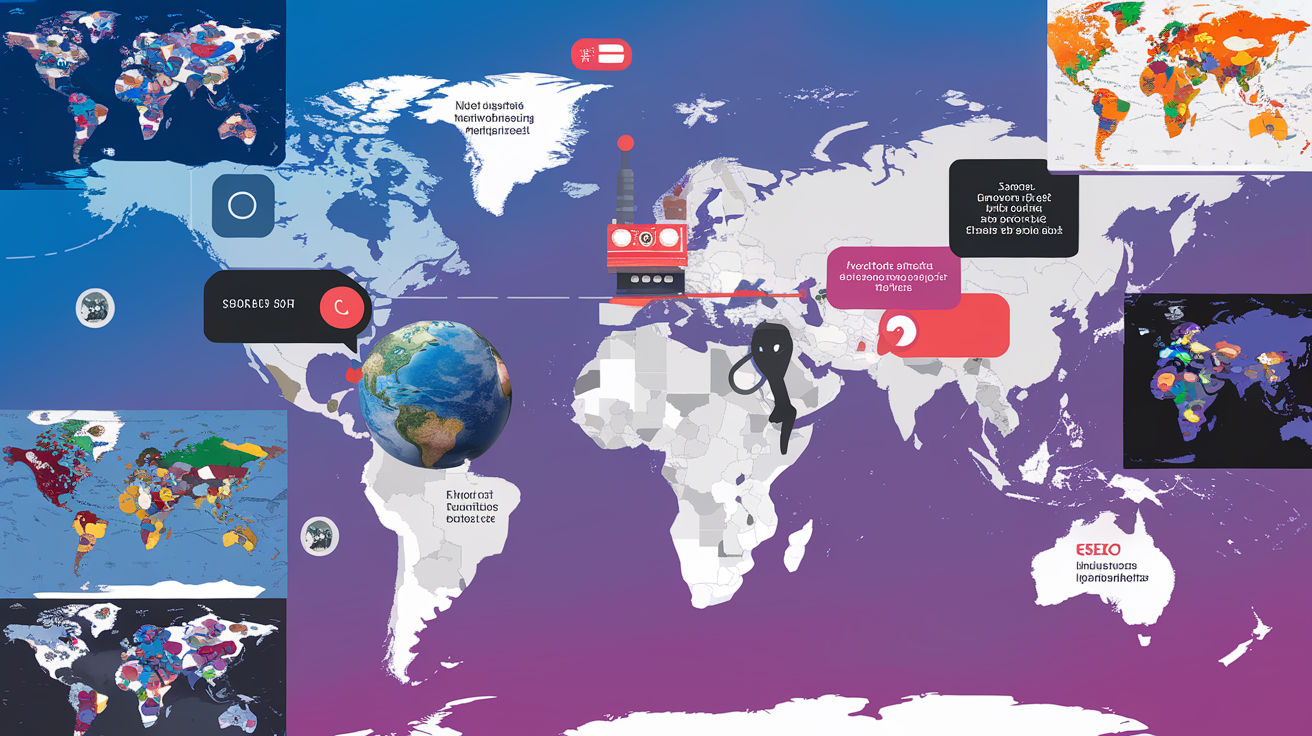
The Difference Between Translation and True Localization
One of the most common misconceptions about international SEO is that it’s primarily about translation. While translation is certainly a component, true localization goes much deeper, encompassing:
- Cultural references and idioms appropriate to each market
- Local search behaviors and keyword preferences
- Regional user experience expectations
- Market-specific product offerings and messaging
- Local regulations and compliance requirements
At Hashmeta, our consulting approach emphasizes the importance of this distinction. We’ve seen clients achieve 3-5x better conversion rates when implementing comprehensive localization versus simple translation.
How AI is Transforming International SEO
The emergence of advanced AI tools has dramatically changed the international SEO landscape. Through our AI marketing solutions, we’re seeing transformative results in areas such as:
- Automated market opportunity identification using predictive analytics
- Enhanced multilingual keyword research that captures cultural nuances
- Intelligent content adaptation that preserves intent across languages
- Automated technical monitoring across multiple international properties
- Predictive performance modeling for new market entries
These AI-powered approaches allow brands to scale their international presence more efficiently while maintaining quality and relevance in each market.
2. Identifying and Researching Global Market Opportunities
Before investing in international SEO infrastructure, it’s critical to identify which markets offer the greatest potential return. This process should combine quantitative data analysis with qualitative market understanding.
Data-Driven Market Prioritization
Start by analyzing your existing traffic and customer data to identify patterns of international interest. Look for:
- Countries already generating organic traffic despite no localization
- Markets where competitors are seeing success
- Regions with growing search volume for your key products/services
- Countries with favorable competition-to-opportunity ratios
- Markets with compatible purchasing behaviors and business infrastructure
Our AI SEO services help clients analyze these factors at scale, creating opportunity matrices that guide strategic investment decisions.
Understanding Multi-Language Markets
Many countries have multiple official or widely-spoken languages. For example, Singapore has four official languages (English, Mandarin, Malay, and Tamil), while Malaysia has significant populations speaking Malay, English, and various Chinese dialects.
When targeting these markets, you’ll need to determine which languages to prioritize based on:
- Size of each language-speaking population
- Online behavior patterns of different language speakers
- Commercial value and conversion potential of each segment
- Competition levels within each language market
Special Focus: Navigating Asian Markets
As an agency headquartered in Singapore with operations across Southeast Asia and China, we’ve developed specialized expertise in these complex markets. Key considerations include:
China
When targeting China, remember that Google isn’t the dominant search engine. Baidu holds approximately 70% market share, with significantly different ranking factors and technical requirements. Our Xiaohongshu Marketing specialists can help navigate this unique ecosystem.
Southeast Asia
Countries like Indonesia, Malaysia, and Singapore represent diverse markets with varying levels of digital sophistication. Mobile optimization is particularly crucial, as many users access the internet primarily through smartphones. Each country also has unique cultural sensitivities and regulatory requirements that must be addressed in your content strategy.
3. Structuring Your International Website for Success
Your international URL structure is one of the most critical technical decisions you’ll make. This structure will impact how search engines understand your global presence and how effectively you can manage your international content.
Comparing International URL Structure Options
There are three primary approaches to structuring an international website:
Country-Code Top-Level Domains (ccTLDs)
Example: example.sg, example.my, example.id
Pros:
- Strongest geotargeting signal to search engines
- Clear country association for users
- Ability to host on local servers for improved speed
- Flexibility for country-specific website designs
Cons:
- Most expensive option (maintaining multiple domains)
- Requires building SEO authority for each domain
- More complex implementation and maintenance
- Challenging to manage consistent branding
Subdirectories/Subfolders
Example: example.com/sg/, example.com/my/, example.com/id/
Pros:
- Leverages existing domain authority
- Lower implementation and maintenance costs
- Easier to manage across markets
- Simplified analytics and tracking
Cons:
- Weaker geotargeting signal (requires Google Search Console verification)
- Less flexibility for country-specific hosting
- Potential site architecture challenges for complex websites
Subdomains
Example: sg.example.com, my.example.com, id.example.com
Pros:
- Moderately strong geotargeting signal
- Some hosting flexibility
- Clearer separation between markets than subfolders
Cons:
- Search engines may treat subdomains as separate entities
- More complex to implement than subfolders
- Requires separate SEO efforts for each subdomain
Making the Right Choice for Your Business
As a SEO consultant, we typically recommend:
- ccTLDs for businesses with substantial resources where maximum local relevance is critical (e.g., e-commerce with different inventory per country)
- Subfolders for most businesses seeking efficient international expansion while leveraging existing domain authority
- Subdomains in specific cases where technical constraints make subfolders impractical
The optimal structure depends on your specific business model, resources, and growth strategy. Our SEO agency team conducts thorough analyses to recommend the most appropriate structure for each client’s unique situation.
4. Technical Foundations for Global SEO Performance
Once you’ve determined your international website structure, several technical elements must be implemented correctly to ensure search engines understand your global presence.
Mastering Hreflang Implementation
Hreflang tags are perhaps the most critical technical component of international SEO. These tags tell search engines which language and country versions of a page are available, helping them serve the right version to the right users.
Proper hreflang implementation includes:
- Using correct language and country codes (e.g., en-sg for English in Singapore)
- Creating bidirectional references between all alternate versions
- Including self-referential tags on each page
- Ensuring consistent implementation across your site
Common implementation methods include:
- HTML head tags (most common)
- HTTP headers (for non-HTML files)
- XML sitemaps (for large sites)
Our technical SEO specialists leverage AI marketing tools to audit hreflang implementation at scale, identifying and resolving issues before they impact performance.
Optimizing Page Speed Globally
Page speed is a critical ranking factor in all markets, but international websites face additional challenges with users potentially accessing content from great distances.
Key strategies for global speed optimization include:
- Content Delivery Networks (CDNs): Distribute your content across global servers to reduce latency
- Local Hosting: When using ccTLDs, host on servers in the target country
- Image Optimization: Implement responsive images and modern formats like WebP
- Minimal Redirects: Avoid chains of redirects that add loading time
- Resource Prioritization: Ensure critical rendering paths are optimized
Avoiding Common Technical Pitfalls
Several technical mistakes can undermine your international SEO efforts:
IP-Based Redirects
Never automatically redirect users based on their perceived location. This prevents users (and search engines) from accessing all versions of your site and creates a poor user experience. Instead, offer a language/country selector and remember user preferences through cookies.
Duplicate Content Issues
Similar content across multiple country versions can create duplicate content issues. Proper hreflang implementation is essential, but also consider:
- Creating unique, market-specific content where possible
- Adapting examples and case studies to each market
- Using canonical tags appropriately for identical content
Mobile Optimization Gaps
In many international markets, especially in Asia, mobile usage dominates. Ensure your international site is fully responsive and optimized for mobile-first indexing.
5. Content Localization Strategies that Convert
With your technical foundation in place, content localization becomes the key differentiator for international SEO success. Our content marketing specialists have developed proven methodologies for creating content that resonates in each target market.
International Keyword Research
Effective keyword research goes beyond simple translation to capture how users actually search in different markets:
- Colloquial Variations: Users in different regions use different terminology, even when speaking the same language (e.g., “lift” vs. “elevator”)
- Search Intent Differences: The same product or service may be used differently in various cultures
- Competitive Landscape: Keyword difficulty varies significantly between markets
- Local Trends: Seasonal trends and cultural events influence search patterns
Our approach combines native language specialists with AI SEO tools to develop comprehensive keyword maps for each target market.
Cultural Adaptation
Beyond language, successful international content must consider cultural factors:
- Cultural References: Replace idioms and examples with locally relevant alternatives
- Visual Elements: Adapt images to reflect local diversity and cultural norms
- Content Formats: Preferred content consumption varies by market (e.g., video vs. text)
- Trust Signals: Different cultures respond to different types of social proof
Our international content teams include native speakers who provide cultural insights beyond what translation services can offer.
Strategic Internal Linking
Internal linking for international sites requires careful planning:
- Link primarily to content in the same language/country version
- Create language/country-specific navigation structures
- Implement clear language switchers that preserve the user’s current page
- Avoid mixing languages within the same user journey
Proper internal linking not only improves SEO but also creates a more coherent user experience for international visitors.
Leveraging AI for Content Scaling
Creating and maintaining content across multiple markets can be resource-intensive. Our AI marketing approach helps brands scale efficiently by:
- Automating initial content adaptation while preserving intent
- Identifying high-priority content for full human localization
- Maintaining content parity across markets as source content evolves
- Analyzing performance patterns to optimize future content creation
By combining AI capabilities with human expertise, we help brands achieve the ideal balance of scale and quality in international content.
6. Measuring and Scaling Your International SEO Success
Effective measurement is essential to optimize your international SEO investment and identify opportunities for growth.
Setting Up International Analytics
Proper analytics configuration for international sites should include:
- Country and language segmentation in Google Analytics
- Custom dashboards for each target market
- Local conversion tracking that accounts for market differences
- Search Console property verification for each country/language
- Regular crawling and technical audits of all site versions
Building Regional Backlink Profiles
Backlinks from local domains provide strong relevance signals to search engines. Our influencer marketing agency teams develop region-specific link building strategies that include:
- Partnerships with local publishers and industry sites
- Regional PR campaigns targeting market-specific media
- Localized content that naturally attracts links from regional sources
- Outreach to region-specific influencers and thought leaders
We leverage tools like AI Influencer Discovery to identify the most relevant regional partners for each market.
Scaling to New Markets
As your international presence matures, a systematic approach to expansion will maximize efficiency:
- Develop templated processes for new market entry
- Create standardized technical implementations that can be replicated
- Build content frameworks that can be adapted to new markets
- Implement centralized governance with local execution
- Leverage learnings from existing markets to accelerate new launches
Our marketing technology solutions provide the infrastructure to manage this complexity at scale.
Integrating International SEO with Other Channels
For maximum impact, international SEO should integrate with your broader marketing ecosystem:
- Align paid search and organic strategies in each market
- Coordinate social media and SEO content calendars by region
- Ensure consistent messaging across all customer touchpoints
- Leverage AI Local Business Discovery to identify regional partnership opportunities
- Create market-specific customer journeys that span multiple channels
Our ecosystem approach ensures all digital channels work together cohesively in each target market.
7. Conclusion and Next Steps
International SEO represents both a significant opportunity and a complex challenge for growing brands. When executed strategically, it opens doors to new markets, diversifies revenue streams, and builds global brand recognition. However, success requires more than simply translating existing content or creating multiple versions of your website.
The most effective international SEO strategies balance global consistency with local relevance. They leverage advanced technology while honoring cultural nuances. They scale efficiently while maintaining quality across all markets.
At Hashmeta, we’ve refined our approach through partnerships with over 1,000 brands across Asia and beyond. Our integrated methodology combines technical excellence, cultural insight, and AI-powered tools to create international SEO strategies that truly scale.
As you embark on your international SEO journey, remember these key principles:
- Start with strategy, not tactics
- Research thoroughly before entering new markets
- Build technical foundations that can scale
- Invest in proper content localization, not just translation
- Measure performance in each market and continuously optimize
- Integrate SEO with your broader international marketing strategy
By following these guidelines and leveraging the right expertise, you can transform international SEO from a daunting challenge into a powerful growth driver for your business.
Ready to Scale Your Global SEO Strategy?
Hashmeta’s team of international SEO specialists can help you develop and implement a customized strategy for your target markets. With operations across Singapore, Malaysia, Indonesia, and China, we combine regional expertise with cutting-edge AI tools to deliver measurable results.