
- Understanding Social Media Analytics: The Foundation of Data-Driven Decisions
- Why Social Media Analytics Is Critical for Modern Marketing
- The Essential Social Media Analytics Framework
- Key Metrics That Matter Across Platforms
- Advanced Analytics Techniques for Competitive Edge
- Turning Analytics Into Action: Practical Implementation
- Building an Effective Social Media Analytics Stack
- Future of Social Media Analytics
- Conclusion: Mastering Analytics for Social Media Success
In today’s digital landscape, social media success is no longer measured by likes and shares alone. Forward-thinking brands understand that beneath the surface of these vanity metrics lies a wealth of actionable intelligence waiting to be harnessed. At Hashmeta, we’ve guided over 1,000 brands across Singapore, Malaysia, Indonesia, and China to transform raw social media data into strategic business decisions that drive measurable growth.
This comprehensive guide will walk you through the art and science of social media analytics – from understanding the fundamentals to implementing advanced AI-powered techniques that give your brand a competitive edge. Whether you’re looking to optimize your content strategy, justify your social media budget, or demonstrate tangible ROI to stakeholders, mastering social media analytics is the key that unlocks these capabilities.
Let’s explore how to move beyond surface-level metrics and develop a data-driven approach that aligns your social media efforts with broader business objectives.
Understanding Social Media Analytics: The Foundation of Data-Driven Decisions
Social media analytics refers to the collection, analysis, and interpretation of data from social media platforms to inform business decisions and measure marketing performance. What began as simple tracking of followers and likes has evolved into sophisticated analysis that provides profound insights into audience behavior, content performance, and business impact.
What is Social Media Analytics?
At its core, social media analytics is the process of gathering data from your social media activities and extracting meaningful insights to guide future strategies. This encompasses everything from basic engagement metrics to complex sentiment analysis and predictive modeling. The goal is to move beyond assumptions and make decisions based on concrete evidence of what works for your specific audience.
Unlike basic social media monitoring, analytics involves systematic measurement against defined key performance indicators (KPIs) that align with specific business objectives. It’s not just about tracking numbers – it’s about understanding what those numbers mean for your brand.
The Evolution of Social Media Analytics
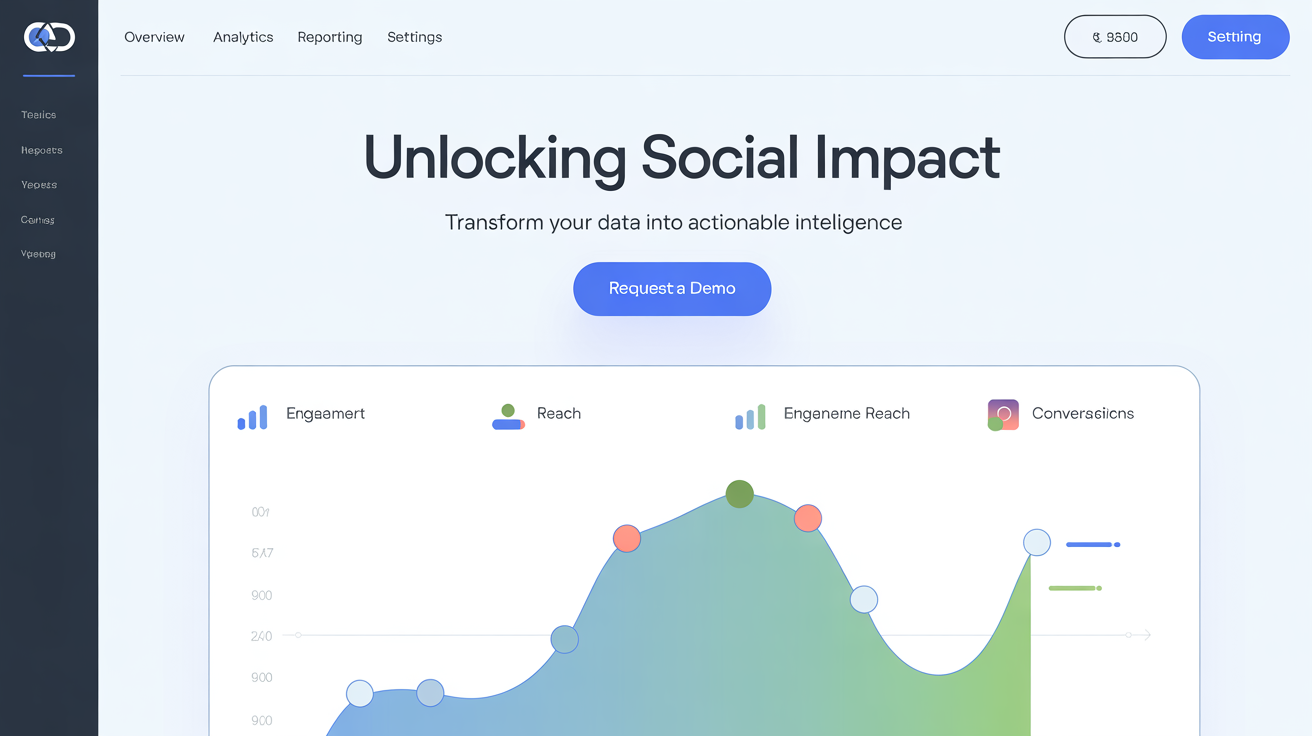
Social media analytics has undergone a remarkable transformation over the past decade. What began as simple counting metrics has evolved into sophisticated analysis powered by artificial intelligence and machine learning. Today’s analytics capabilities include:
Modern social media analytics has shifted from retrospective reporting to real-time insights and predictive capabilities. Brands can now anticipate trends, identify emerging opportunities, and course-correct strategies before issues escalate. This evolution reflects the growing importance of social media as a business channel requiring the same rigorous measurement as traditional marketing channels.
Key Types of Social Media Analytics
To fully leverage social media data, it’s important to understand the different types of analytics available:
Performance Analytics: Measurement of your own social media activities against KPIs, including reach, engagement, and conversions. This forms the foundation of your analytics practice.
Competitive Analytics: Comparison of your performance against direct competitors to identify strengths, weaknesses, and opportunities. This provides essential context for interpreting your own results.
Social Listening: Monitoring conversations about your brand, industry, and relevant topics across social platforms. This captures the voice of the customer beyond direct interactions with your content.
Sentiment Analysis: Evaluation of the emotional tone in conversations about your brand to understand how audiences perceive you. AI-powered tools now detect subtle nuances in language that indicate positive, negative, or neutral sentiment.
Audience Analytics: Deep analysis of your followers and engaged users to understand demographics, interests, behaviors, and preferences. This informs content strategy and targeting decisions.
Predictive Analytics: Use of historical data to forecast future trends and outcomes, helping brands anticipate market shifts and optimize timing of campaigns. This represents the cutting edge of social analytics.
Why Social Media Analytics Is Critical for Modern Marketing
In an era where marketing budgets are scrutinized more closely than ever, social media teams must demonstrate clear business impact. Analytics provides the evidence needed to prove value and secure resources for future initiatives.
Connecting Analytics to Business Objectives
The true power of social media analytics lies in its ability to connect social activities to core business objectives. Whether your goal is building brand awareness, driving website traffic, generating leads, or increasing conversions, analytics provides the metrics that matter to executive leadership.
In our work with clients across Southeast Asia, we’ve observed that the most successful social media programs are those that align metrics with business goals from the outset. Rather than reporting vanity metrics, these brands track indicators that demonstrate progress toward specific business outcomes.
Supporting Strategic Decision-Making
Social media analytics transforms gut feelings into data-backed decisions. When content strategy decisions are guided by comprehensive analytics, brands can:
– Identify which content formats drive the highest engagement for different audience segments
– Determine optimal posting times based on audience activity patterns
– Allocate resources to platforms that deliver the strongest results
– Refine messaging based on audience response data
– Detect emerging trends before competitors can capitalize on them
This strategic approach minimizes wasted effort and maximizes return on both time and financial investments in social media.

Proving Social Media ROI
For many organizations, proving the return on investment from social media remains challenging. Advanced analytics bridges this gap by connecting social media activities to business outcomes through:
– Conversion tracking that attributes sales to specific social media campaigns
– Customer journey analysis that identifies social media’s role in the purchase process
– Lifetime value calculations for customers acquired through social channels
– Brand health metrics that quantify reputation improvements
With our clients, we implement comprehensive tracking systems that capture both direct conversions and assisted conversions where social media influences purchase decisions even if it’s not the final touchpoint. This provides a more accurate picture of social media’s true business impact.
The Essential Social Media Analytics Framework
Developing a systematic approach to analytics ensures you’re gathering meaningful insights rather than drowning in data. Our framework provides a structured way to implement effective social media analytics.
Setting Clear Objectives and KPIs
Every analytics program should begin with clearly defined objectives that align with business goals. Common objectives include:
– Increasing brand awareness
– Driving website traffic and lead generation
– Building community engagement
– Providing customer service
– Generating direct sales
For each objective, define specific key performance indicators (KPIs) that will measure progress. For brand awareness, this might include reach, impressions, and video views. For sales objectives, conversion metrics and click-through rates would be more relevant.
Creating an Analytics Reporting Schedule
Consistent reporting is essential for identifying trends and making timely adjustments. We recommend a tiered reporting approach:
Daily Monitoring: Quick checks of key metrics to identify any significant spikes or drops that require immediate attention.
Weekly Analysis: More detailed review of performance metrics across all platforms, with initial assessment of content performance patterns.
Monthly Reporting: Comprehensive analysis comparing performance against benchmarks and objectives, with strategic recommendations for optimization.
Quarterly Strategic Review: In-depth analysis of longer-term trends, competitive position, and progress toward annual goals, resulting in strategic adjustments.
This multilayered approach ensures you’re balancing quick tactical adjustments with strategic direction.
Interpreting Data Correctly
Data without context can lead to misguided decisions. Effective interpretation requires:
Contextual Analysis: Understand metrics in relation to historical performance, industry benchmarks, and external factors like seasonality or market events.
Cross-Metric Correlation: Analyze relationships between different metrics to understand cause and effect. For example, how does an increase in posting frequency affect engagement rates?
Segment-Specific Insights: Break down performance by content categories, audience segments, or campaign types to identify specific patterns.
At Hashmeta, we emphasize the importance of qualitative assessment alongside quantitative metrics. Numbers tell part of the story, but human judgment is essential for understanding the why behind the what.
Key Metrics That Matter Across Platforms
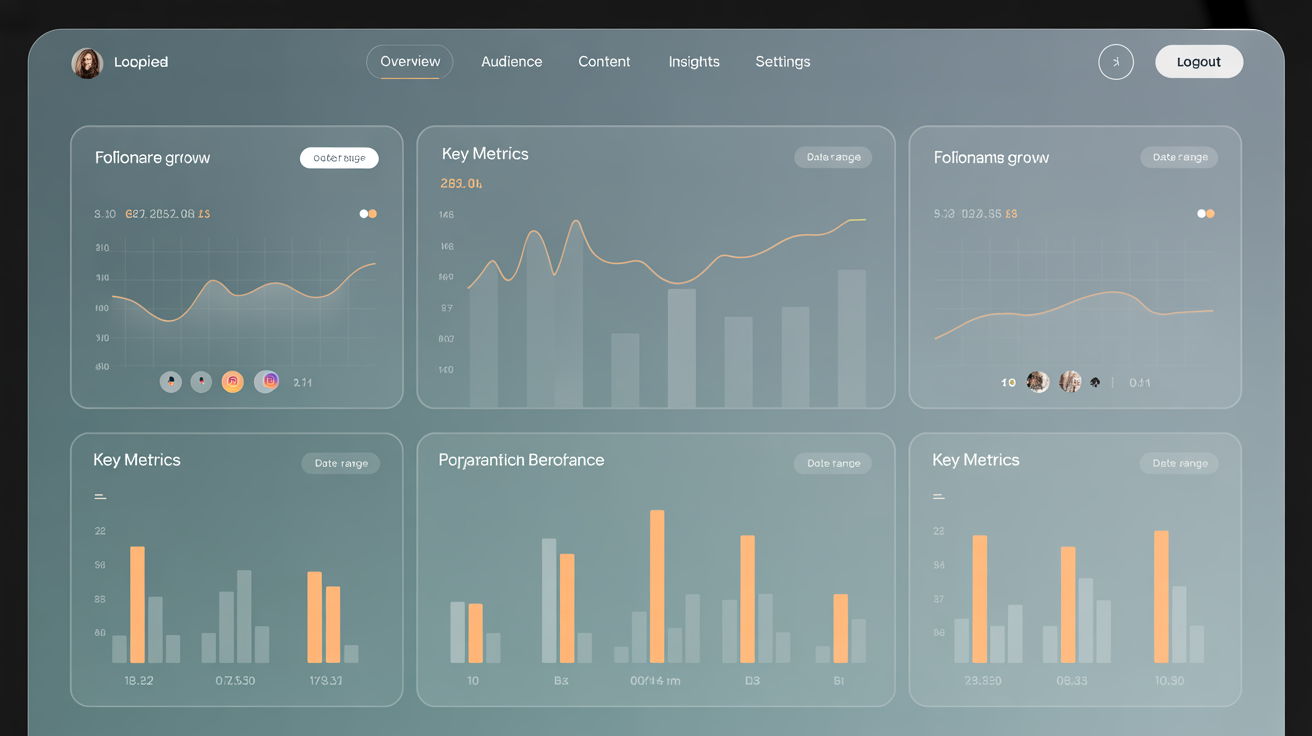
While each social platform has unique metrics, there are common categories of measurement that apply across channels. Understanding these core metric types helps create a consistent measurement framework.
Awareness and Reach Metrics
These metrics measure the visibility of your content and brand:
– Reach: The number of unique users who saw your content
– Impressions: Total number of times your content was displayed
– Follower Growth Rate: Percentage increase in followers over time
– Share of Voice: Your brand mentions compared to competitors
These metrics are particularly important for brands focused on expanding market presence or launching new products. In competitive Asian markets like Singapore and China, where digital saturation is high, sophisticated reach analysis is essential for breaking through the noise.
Engagement Metrics
Engagement metrics reveal how users interact with your content:
– Engagement Rate: Interactions (likes, comments, shares) relative to reach or followers
– Amplification Rate: Ratio of shares to total followers
– Comment Sentiment: Analysis of positive, negative, or neutral tone in comments
– Active Engagement Time: How long users spend interacting with content
We’ve found engagement metrics particularly revealing when analyzed by content format and topic. This granular analysis often reveals that content categories with lower posting frequency may actually drive higher quality engagement.
Conversion Metrics
These metrics connect social media activity to business outcomes:
– Click-through Rate: Percentage of people who clicked on your content or link
– Conversion Rate: Percentage of users who took a desired action after clicking
– Cost Per Conversion: Total spend divided by number of conversions
– Social Media ROI: (Value generated – Cost) / Cost
For e-commerce clients, we implement comprehensive tracking through platforms like our marketing technology solutions to attribute purchases to specific social content. This provides a clear picture of which content types and platforms drive actual revenue.
Advanced Analytics Techniques for Competitive Edge
As social media matures, basic analytics are no longer sufficient for gaining competitive advantage. Advanced techniques powered by AI and machine learning provide deeper insights and predictive capabilities.
AI-Powered Social Listening and Sentiment Analysis
Traditional social listening captures mentions, but AI-powered solutions go further by analyzing context, emotion, and intent. Our AI marketing solutions can:
– Detect subtle shifts in brand sentiment before they become trends
– Identify emerging topics and conversations relevant to your industry
– Analyze visual content through image recognition technology
– Process multilingual content for global brands
This is particularly valuable in markets with high social media adoption like Singapore and China, where consumer sentiment can shift rapidly and influence purchasing decisions.
Cross-Platform Analytics Integration
For most brands, social media is just one component of a broader digital strategy. Advanced analytics involves integrating social data with:
– Website analytics to track user journeys from social to site
– CRM systems to understand customer lifetime value by acquisition channel
– Email marketing performance for cross-channel campaign effectiveness
– E-commerce data for product-specific insights
Our marketing services include setting up these integrated analytics ecosystems, giving clients a 360-degree view of how social media contributes to overall marketing performance.
Predictive Analytics for Strategic Planning
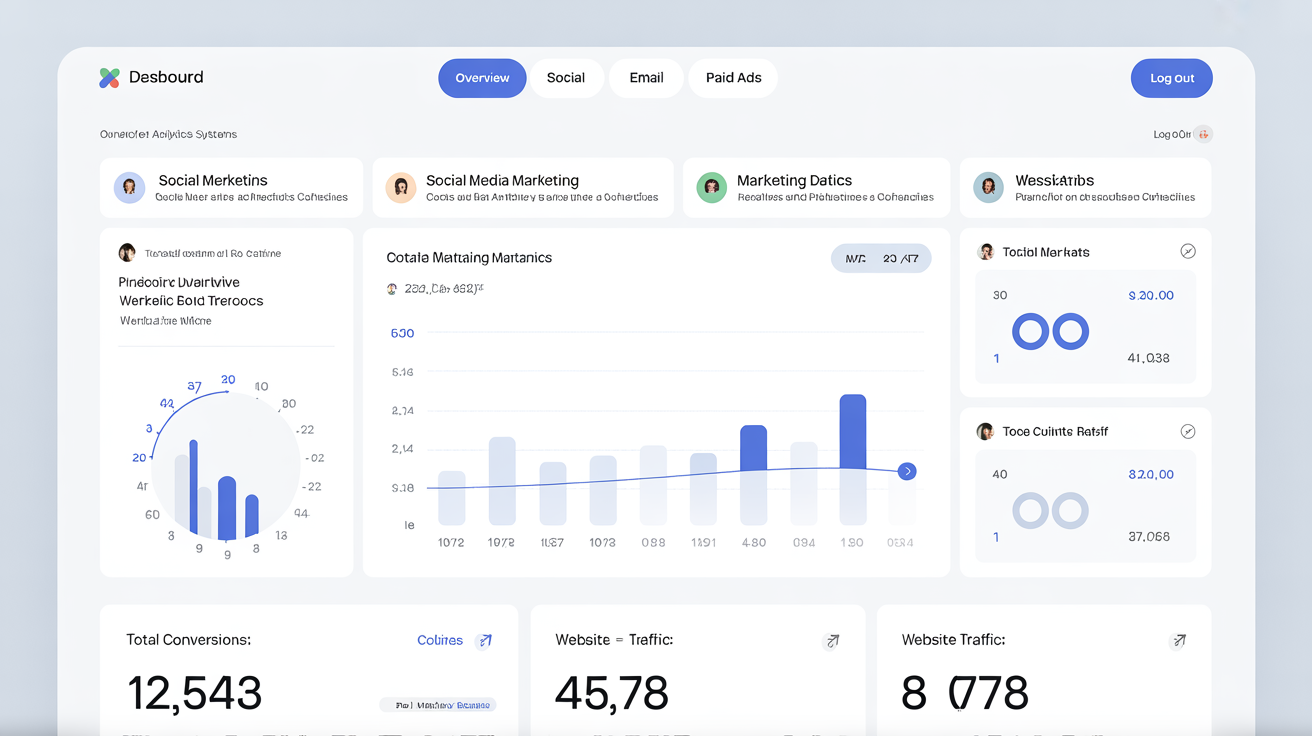
Predictive analytics uses historical data to forecast future performance and identify opportunities. Applications include:
– Forecasting content performance based on historical patterns
– Identifying optimal posting times for maximum engagement
– Predicting seasonal trends to inform content calendars
– Anticipating potential PR issues through early warning systems
These capabilities allow brands to be proactive rather than reactive in their social media strategy. For instance, our Xiaohongshu marketing specialists use predictive models to help brands time product launches for maximum impact on this influential Chinese platform.
Turning Analytics Into Action: Practical Implementation
The true value of analytics lies not in the data itself but in the actions it inspires. Here’s how to translate insights into tangible improvements.
Creating a Data-Informed Content Strategy
Analytics should directly influence your content planning process:
Content Audit: Use historical performance data to categorize content by effectiveness and identify patterns in high-performing posts.
Format Optimization: Analyze which content formats (video, carousel, static images) drive the highest engagement for different objectives.
Topic Refinement: Identify topics and themes that resonate most strongly with your audience based on engagement patterns.
Messaging Adjustment: Test different messaging approaches and refine based on audience response data.
Our content marketing team works closely with analytics specialists to develop content strategies that are both creative and data-driven, ensuring maximum effectiveness.
Optimizing Paid Social Campaigns
Analytics provides crucial guidance for paid social investment:
– Identify organic content that performs well for paid amplification
– Optimize targeting parameters based on audience engagement data
– Allocate budget toward platforms and formats with highest conversion rates
– A/B test creative elements guided by previous performance data
Real-time campaign analytics allow for continuous optimization, shifting budget away from underperforming ads and toward high performers. This dynamic approach maximizes return on ad spend (ROAS).
Using Analytics for Audience Segmentation
Advanced audience analytics enable sophisticated segmentation strategies:
Behavioral Segmentation: Group audiences based on how they interact with your content
Interest-Based Targeting: Identify affinity categories and interest patterns among your most engaged followers
Customer Journey Stage: Segment audiences based on their position in the purchasing funnel
Engagement Frequency: Distinguish between casual followers and brand advocates
This granular understanding allows for hyper-targeted content that addresses specific audience needs. We’ve helped clients develop segmented content strategies that increased engagement rates by up to 200% compared to general-audience approaches.

Building an Effective Social Media Analytics Stack
The right combination of tools is essential for comprehensive, actionable analytics. Here’s how to build an analytics ecosystem that provides complete visibility.
Essential Tools for Comprehensive Analytics
A complete analytics stack typically includes:
Social Media Management Platforms: Tools like HubSpot, Sprout Social, or Hootsuite that provide cross-platform analytics and management capabilities.
Dedicated Analytics Tools: Specialized platforms that offer deeper insights and more customizable reporting.
Social Listening Solutions: Tools that monitor brand mentions, industry conversations, and competitor activities across the social web.
AI-Powered Analytics: Advanced solutions like our AI SEO and AI marketing tools that provide predictive capabilities and automated insights.
Influencer Analytics: Platforms like our AI Influencer Discovery tool that provide data on influencer performance and audience alignment.
The specific tools you need depend on your business objectives, budget, and technical capabilities.
Integration Considerations
For maximum value, your analytics tools should work together as an integrated system:
– Ensure data flows between social platforms and your CRM system
– Connect social analytics with web analytics for complete customer journey tracking
– Integrate social listening with customer service platforms for holistic reputation management
– Set up consolidated dashboards that bring key metrics from different sources into one view
Our consulting services include technical integration support to ensure your marketing technology stack works as a cohesive ecosystem rather than isolated tools.
Customizing Dashboards for Different Stakeholders
Different team members need different views of your analytics data:
Executive Dashboards: Focus on high-level KPIs and business impact metrics
Marketing Team Dashboards: Include detailed performance metrics and content analytics
Content Creator Dashboards: Highlight engagement metrics by content type and format
Community Management Dashboards: Center on conversation metrics and response times
Customized dashboards ensure each stakeholder sees relevant information without being overwhelmed by metrics that don’t apply to their role.
Future of Social Media Analytics
The analytics landscape continues to evolve rapidly. Understanding emerging trends helps prepare your strategy for future developments.
AI and Machine Learning Advancements
Artificial intelligence is transforming analytics through:
– Automated insight generation that surfaces patterns humans might miss
– Predictive capabilities that forecast outcomes with increasing accuracy
– Natural language processing that analyzes context and sentiment at scale
– Prescriptive analytics that recommend specific actions based on data patterns
Our SEO consultants increasingly integrate AI-driven social signals into search optimization strategies, recognizing the growing connection between social engagement and search visibility.
Privacy Considerations and Analytics
As privacy regulations tighten globally, analytics practices must adapt:
– First-party data becomes increasingly valuable as third-party data faces restrictions
– Consent-based analytics will become standard practice
– Aggregated and anonymized data analysis will replace individual-level tracking
– Platform-specific restrictions will require more flexible analytics approaches
Brands must balance the need for insights with ethical data practices that respect user privacy and comply with regional regulations.

Emerging Platforms and Analytics Challenges
As new social platforms emerge, analytics capabilities must evolve:
– Short-form video platforms require specialized metrics beyond traditional engagement
– AR/VR social experiences demand new measurement frameworks
– Private messaging platforms create challenges for tracking group conversations
– Decentralized social networks may limit centralized analytics capabilities
Staying ahead requires a flexible analytics approach that can adapt to emerging platforms and changing user behaviors. Our ecosystem services help clients build adaptable measurement frameworks that can evolve with the social media landscape.
Conclusion: Mastering Analytics for Social Media Success
Social media analytics has evolved from a nice-to-have into an essential component of effective digital marketing. The brands that thrive in today’s competitive landscape are those that successfully transform data into actionable insights that drive strategic decisions.
The journey from basic metrics to advanced analytics doesn’t happen overnight. It requires a methodical approach:
1. Start with clear objectives aligned to business goals
2. Implement a structured measurement framework
3. Build technical capabilities through the right tools and integrations
4. Develop team skills in data interpretation and application
5. Create feedback loops where insights directly inform strategy
At Hashmeta, we’ve guided hundreds of brands through this journey, helping them develop analytics capabilities that transform social media from a communication channel into a strategic business asset. Through our marketing academy, we also empower teams to build internal analytics expertise that sustains long-term success.
Remember that the goal isn’t data for its own sake – it’s better decisions that drive measurable business results. By focusing on actionable insights rather than vanity metrics, you can ensure your social media efforts deliver genuine business value.
Ready to transform your approach to social media analytics? Contact our team to discuss how we can help you build a data-driven social media strategy that delivers measurable results.
Social media analytics has evolved from a nice-to-have into an essential component of effective digital marketing. The brands that thrive in today’s competitive landscape are those that successfully transform data into actionable insights that drive strategic decisions.
The journey from basic metrics to advanced analytics doesn’t happen overnight. It requires a methodical approach:
1. Start with clear objectives aligned to business goals
2. Implement a structured measurement framework
3. Build technical capabilities through the right tools and integrations
4. Develop team skills in data interpretation and application
5. Create feedback loops where insights directly inform strategy
At Hashmeta, we’ve guided hundreds of brands through this journey, helping them develop analytics capabilities that transform social media from a communication channel into a strategic business asset. Through our marketing academy, we also empower teams to build internal analytics expertise that sustains long-term success.
Remember that the goal isn’t data for its own sake – it’s better decisions that drive measurable business results. By focusing on actionable insights rather than vanity metrics, you can ensure your social media efforts deliver genuine business value.
Ready to transform your approach to social media analytics? Contact our team to discuss how we can help you build a data-driven social media strategy that delivers measurable results.