Table of Contents
- Pinterest Marketing Fundamentals for Visual Commerce
- Setting Up and Optimizing Your Pinterest Business Account
- Developing a Pinterest Content Strategy for E-commerce
- Pinterest SEO: Making Your Products Discoverable
- Leveraging Rich Pins for E-commerce Success
- Pinterest Advertising: Promoted Pins and Shopping Ads
- Measuring Success: Pinterest Analytics and KPIs
- Integrating Pinterest with Your Overall Marketing Ecosystem
- Pinterest Success Stories in Visual Commerce
- Future Trends in Pinterest Marketing
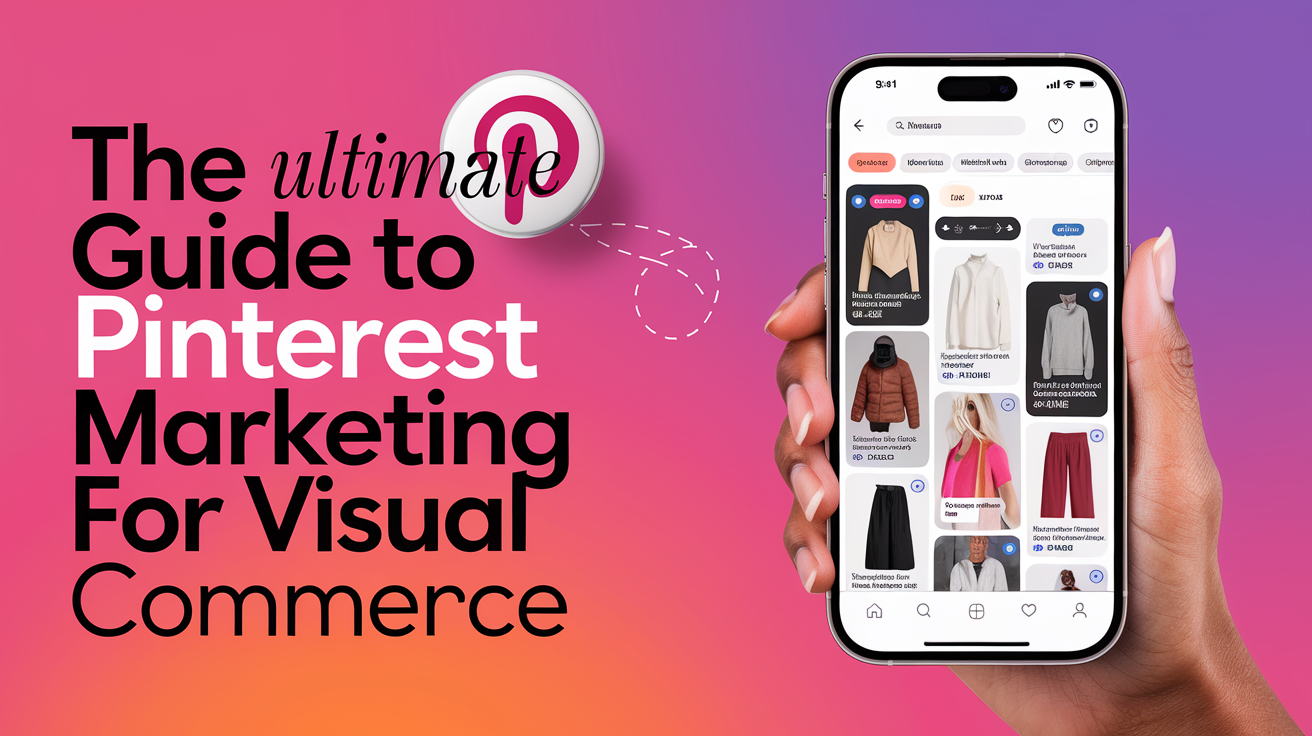
In today’s visually-driven digital marketplace, Pinterest stands out as a powerhouse platform for businesses looking to showcase products, drive traffic, and generate sales through compelling visual storytelling. Unlike traditional social media platforms focused on social connections, Pinterest functions as a visual discovery engine where users actively seek inspiration, ideas, and products to purchase.
With over 450 million monthly active users globally and a reputation as the go-to platform for purchase-intent browsing, Pinterest presents an unparalleled opportunity for visual commerce brands. Research shows that 89% of Pinterest users are on the platform specifically for purchase inspiration, making it a high-conversion channel for e-commerce businesses when leveraged strategically.
At Hashmeta, we’ve guided hundreds of brands across Asia to transform their Pinterest presence from basic pinning to sophisticated, performance-driven visual marketing ecosystems. This comprehensive guide draws on our data-driven expertise to walk you through everything you need to know about Pinterest marketing for visual commerce – from foundational strategies to advanced techniques that drive measurable business growth.
Whether you’re just getting started with Pinterest or looking to optimize an existing strategy, this guide will equip you with actionable insights, practical implementation steps, and innovative approaches to harness Pinterest’s full potential for your visual commerce business.
Pinterest Marketing Fundamentals for Visual Commerce
Before diving into tactical implementation, it’s essential to understand what makes Pinterest unique in the social media landscape and particularly valuable for visual commerce.
Unlike platforms such as Instagram or Facebook where content quickly disappears from feeds, Pinterest content has remarkable longevity. Pins can continue driving traffic months or even years after publication. This ‘evergreen’ quality makes Pinterest an exceptional investment for content marketing efforts, delivering sustained ROI rather than the fleeting engagement typical of other platforms.
Pinterest also differs fundamentally in user intent. While most social platforms are designed for connection and entertainment, Pinterest users arrive with discovery and planning mindsets. They’re actively searching for ideas, products, and solutions – making them particularly receptive to commercial content that feels helpful rather than intrusive. This alignment between platform purpose and commercial goals creates a uniquely receptive environment for visual commerce.
For visual commerce brands specifically, Pinterest offers several core advantages:
- Direct product discovery through visual search capabilities
- High-intent audience actively seeking purchase inspiration
- Seamless path from discovery to purchase
- Detailed analytics on the customer journey
- Multiple touchpoints throughout the consideration process
Understanding these fundamentals helps frame a strategic approach to Pinterest that goes beyond simply posting product images to creating a comprehensive visual commerce ecosystem.
Setting Up and Optimizing Your Pinterest Business Account
The foundation of effective Pinterest marketing begins with a properly configured business account. Unlike personal accounts, Pinterest business accounts provide access to essential tools including analytics, advertising capabilities, and rich pins – all critical components for driving commerce performance.
If you’re starting from scratch, create a business account at business.pinterest.com. If you already have a personal account, you can easily convert it to a business account while retaining all existing content. This conversion unlocks commercial features without losing any previous momentum.
Profile Optimization Essentials
Your profile serves as your brand’s Pinterest homepage and significantly impacts discoverability. Optimization should focus on:
Business name: Use your exact brand name to build recognition and trust. Avoid keyword stuffing which can appear spammy and diminish credibility.
Username: Select a consistent handle that aligns with your other social channels for cross-platform recognition.
Profile image: Your logo should be clearly visible even at thumbnail size (165 x 165 pixels recommended).
Bio: Craft a concise, keyword-rich description of what your brand offers and what users can expect from your Pinterest presence. While limited to 500 characters, your bio should communicate your unique value proposition and include relevant industry keywords.
Website verification: Completing this technical step builds trust signals and enables rich pins functionality. It also ensures proper attribution when others save content from your website.
Strategic Board Creation
Boards are the organizational structure of your Pinterest presence and significantly impact both user experience and SEO. Rather than creating boards haphazardly, develop a strategic architecture that:
Reflects your product categories: Create logical groupings aligned with your merchandise structure, making it easy for shoppers to browse within categories of interest.
Addresses different user intents: Beyond product-specific boards, create inspiration boards that showcase your products in lifestyle contexts.
Utilizes SEO-optimized naming: Research relevant keywords using Pinterest’s search functionality and incorporate them naturally into board names and descriptions.
Maintains consistent cover images: Design visually cohesive board covers that strengthen brand identity while browsing.
As a performance-based AI marketing agency, Hashmeta recommends conducting thorough keyword research before finalizing your board structure to ensure alignment with how your target audience actually searches on Pinterest.
Developing a Pinterest Content Strategy for E-commerce
Effective Pinterest marketing transcends ad-hoc pinning to embrace a cohesive content strategy that drives discovery, engagement, and conversion. For visual commerce brands, this requires balancing product promotion with inspirational content that meets users where they are in their discovery journey.
The 70/30 Content Ratio
Our data consistently shows that the most successful Pinterest commerce strategies follow an approximately 70/30 content ratio:
70% Inspirational/lifestyle content: Showcases products in context, solving problems and illustrating possibilities. This content meets users in discovery mode, building affinity before purchase intent.
30% Direct product pins: Clear, shoppable product pins with direct conversion paths. These serve users with established purchase intent, providing frictionless paths to purchase.
This balance respects Pinterest’s nature as an inspiration platform while leveraging its commercial potential. Pure product catalogs typically underperform compared to thoughtfully balanced content strategies that guide users through the full funnel.
Visual Best Practices for Commerce
Pinterest’s visual nature demands attention to image quality and composition. Our content marketing specialists recommend:
Optimal dimensions: Use the 2:3 aspect ratio (1000 x 1500 pixels) for maximum visibility in feeds. Vertical images perform significantly better than square or horizontal formats.
Clear focal points: Design images with distinct subjects and minimal background clutter. This enhances both aesthetic appeal and machine recognition for search algorithms.
Consistent branding: Incorporate subtle branding elements that create recognition without overwhelming the image. Consider watermarks, color palettes, or distinctive photography styles.
Text overlay strategy: When incorporating text, ensure it’s concise, legible on mobile, and adds genuine value rather than restating what’s visible.
Multiple images: Utilize Pinterest’s carousel format to show products from different angles or in various contexts, providing comprehensive visual information.
This visual approach should be codified in style guidelines for consistency across all Pinterest content, regardless of who creates it within your organization.
Pinterest SEO: Making Your Products Discoverable
Pinterest functions as both a social platform and a visual search engine, making SEO fundamentals critical to success. For visual commerce brands, mastering Pinterest SEO can dramatically expand organic reach and discovery.
As specialists in SEO and AI SEO solutions, we’ve identified several key optimization areas specific to Pinterest:
Keyword Research for Pinterest
Pinterest keyword research differs from traditional search engines, requiring platform-specific approaches:
Pinterest-native search exploration: Use Pinterest’s search bar to identify popular search terms related to your products. Note the autosuggest terms and related search suggestions.
Guided search analysis: After performing a search, examine the guided search bubbles that appear below the search bar. These represent popular related concepts.
Trend monitoring: Utilize Pinterest Trends (where available) to identify seasonal shifts and emerging interests in your category.
Competitive intelligence: Analyze top-performing pins in your category to identify common keywords and themes.
This Pinterest-specific keyword research should inform not just your pin descriptions but your entire content strategy, helping identify gaps and opportunities.
Pin Optimization Framework
Each pin represents an opportunity for discovery and should be optimized across multiple elements:
Descriptive filenames: Before uploading, rename image files with descriptive, keyword-rich names (e.g., “blue-ceramic-dinner-plate-handmade.jpg” rather than “IMG12345.jpg”).
Strategic pin titles: Create concise, keyword-rich titles (maximum 100 characters) that clearly describe the content while incorporating primary search terms.
Comprehensive descriptions: Use the full 500-character allowance to provide detailed, keyword-rich descriptions that anticipate and answer user questions about the product or concept.
Hashtag strategy: Include 2-5 relevant hashtags, focusing on specific rather than generic terms. On Pinterest, hashtags function as search elements and should be treated as supplemental keywords.
Alt text inclusion: Add descriptive alt text to all pins, improving accessibility while providing additional context for Pinterest’s visual recognition algorithms.
Consistently applying this optimization framework across all pins builds compounding SEO strength over time, particularly important given Pinterest’s long content lifespan.
Leveraging Rich Pins for E-commerce Success
Rich Pins represent a powerful enhancement for e-commerce brands on Pinterest, automatically syncing information from your website to create dynamic, information-rich pins that drive higher engagement and conversion rates.
For visual commerce specifically, Product Rich Pins offer significant advantages by displaying real-time pricing, availability, and product details directly within the Pinterest interface. This creates transparency for shoppers and reduces friction in the purchase journey.
Technical Implementation
Enabling Rich Pins requires technical implementation of structured data markup on your website. While this process requires development resources, the performance improvements justify the investment:
Schema markup implementation: Add appropriate schema.org markup to your product pages, ensuring all critical product data is properly structured for Pinterest recognition.
Meta tag verification: Include the required Pinterest-specific meta tags on your website to verify ownership and enable proper attribution.
Rich Pin validation: Use the Pinterest Validator tool to confirm correct implementation and troubleshoot any issues before full deployment.
Ongoing monitoring: Establish systems to ensure data accuracy as your product catalog changes, preventing outdated information from appearing on pins.
Our SEO consultants typically work directly with development teams to ensure proper implementation of these technical requirements, creating a foundation for ongoing Pinterest success.
Strategic Applications
Beyond technical implementation, Rich Pins should inform broader strategic approaches:
Price change notifications: Users who save your Product Rich Pins receive automatic notifications when prices drop, creating organic remarketing opportunities. Consider planned price adjustments as part of your Pinterest strategy.
Limited availability messaging: Rich Pins can display inventory status, creating urgency when supplies are limited. Integrate inventory management systems to leverage this feature.
Seasonal catalog updates: As product catalogs change seasonally, Rich Pins automatically update, keeping your Pinterest presence current without manual intervention.
These strategic applications transform Rich Pins from a technical feature into a dynamic marketing tool that enhances the customer journey from discovery to purchase.
Pinterest Advertising: Promoted Pins and Shopping Ads
While organic reach remains stronger on Pinterest than on many other platforms, strategic paid promotion can significantly accelerate performance and target specific business objectives. For visual commerce brands, Pinterest’s advertising options offer precise targeting with high commercial intent.
Promoted Pins Strategy
Promoted Pins appear in users’ home feeds, search results, and related pin sections, seamlessly integrating with organic content while expanding reach to targeted audiences. For optimal performance:
Identify proven performers: Start by promoting pins that have already demonstrated strong organic engagement rather than creating new content specifically for promotion.
Audience segmentation: Develop distinct audience profiles based on interests, demographics, and behaviors to ensure relevance. Pinterest’s targeting capabilities include interest targeting, keyword targeting, and audience retargeting.
Sequential messaging: Create promotion sequences that move users through awareness to consideration to conversion with progressively more product-focused content.
Budget allocation: Allocate approximately 70% of budget to prospecting (finding new customers) and 30% to retargeting (converting interested prospects) for balanced funnel development.
As a performance-based influencer marketing agency, we often combine Pinterest advertising with influencer-created content to maximize authenticity and performance.
Shopping Ads Optimization
Pinterest Shopping Ads take e-commerce capabilities further by creating shoppable pins directly from your product catalog. These ads dynamically display current pricing and availability while providing direct paths to purchase:
Catalog feed optimization: Ensure your product feed is comprehensive and regularly updated, with high-quality images and detailed product information to maximize ad performance.
Product group strategy: Organize products into strategic groups for targeted promotion rather than promoting the entire catalog indiscriminately.
Dynamic retargeting: Implement catalog retargeting to show users the specific products they’ve previously viewed on your website, creating personalized shopping experiences.
Multi-image format: Utilize the collections format to showcase a primary product alongside complementary items, encouraging higher average order values through bundling.
When implemented correctly, Shopping Ads typically deliver lower cost-per-acquisition than standard Promoted Pins due to their highly commercial nature and frictionless purchase path.
Measuring Success: Pinterest Analytics and KPIs
Effective Pinterest marketing for visual commerce requires robust measurement frameworks that track performance across the entire customer journey. Pinterest provides native analytics while additional tools allow for comprehensive attribution and optimization.
Essential Pinterest Metrics
Pinterest’s native analytics provide valuable insights into on-platform performance:
Impression metrics: Monitor total impressions, unique viewers, and impression distribution by pin type to understand reach and visibility patterns.
Engagement metrics: Track saves, clicks, and close-ups to assess content resonance and user interest levels across different content categories.
Audience insights: Analyze demographic information, geographic distribution, and interest categories to refine targeting and content strategies.
Top pin performance: Identify your highest-performing pins across time periods to inform content development and promotion strategies.
We recommend establishing weekly monitoring routines to track these metrics while conducting deeper quarterly analyses to identify trends and optimization opportunities.
Advanced Attribution Models
Beyond Pinterest’s native metrics, comprehensive AI marketing attribution requires connecting Pinterest activity to broader business outcomes:
UTM parameter implementation: Apply consistent UTM parameters to all Pinterest links for accurate tracking in Google Analytics and other measurement platforms.
Pinterest tag deployment: Install the Pinterest conversion tag across your website to track user actions and enable retargeting capabilities.
Multi-touch attribution: Implement attribution models that recognize Pinterest’s role in discovery and inspiration phases, often occurring early in the customer journey.
Conversion lift studies: For larger campaigns, conduct controlled experiments to measure the incremental impact of Pinterest marketing on overall conversion rates.
These advanced approaches acknowledge Pinterest’s unique position in the marketing funnel, often initiating customer journeys that conclude on other channels.
Integrating Pinterest with Your Overall Marketing Ecosystem
Pinterest’s maximum value emerges when integrated into a cohesive cross-channel marketing ecosystem rather than operating as an isolated channel. Strategic integration amplifies results while creating consistent customer experiences.
Cross-Platform Content Synergies
While content should be optimized for Pinterest’s specific format requirements, strategic alignment with broader content initiatives creates efficiency and cohesion:
Content calendar alignment: Synchronize Pinterest content with seasonal campaigns, product launches, and promotional events across all marketing channels.
Asset repurposing strategy: Develop systems for efficiently adapting content assets between platforms, maintaining consistent messaging while optimizing for platform-specific formats.
Visual identity consistency: Ensure visual elements like color palettes, typography, and composition maintain brand recognition across Pinterest and other channels.
Cross-promotion techniques: Promote your Pinterest presence across other owned channels including email signatures, website footers, and packaging inserts.
These approaches create reinforcing effects where each channel strengthens others in the ecosystem, maximizing the return on content investments.
Technical Integrations
Beyond content alignment, technical integrations enhance functionality and data flow:
E-commerce platform connectors: Implement direct integrations between Pinterest and platforms like Shopify, WooCommerce, or Magento to enable seamless product catalog syncing.
CRM data integration: Connect Pinterest audience data with your customer relationship management systems for unified customer profiles and personalization opportunities.
Marketing automation workflows: Incorporate Pinterest engagement signals into trigger-based marketing automation sequences for timely follow-up.
Social commerce tools: Explore specialized marketing technology solutions that enhance Pinterest’s commerce capabilities through improved checkout processes or specialized analytics.
Our consulting team specializes in creating these integrated marketing ecosystems, ensuring platforms work together synergistically rather than in isolation.
Pinterest Success Stories in Visual Commerce
Examining real-world success stories provides valuable insights into effective Pinterest marketing strategies for visual commerce brands. While each business has unique objectives and circumstances, common patterns emerge across successful implementations.
Regional Success Patterns
As an agency with deep experience across Asian markets including Singapore, Malaysia, Indonesia, and China, we’ve observed how Pinterest strategies must adapt to regional preferences while maintaining core best practices:
Home décor brand expansion: A Singapore-based home furnishings company achieved 43% year-over-year revenue growth by creating localized Pinterest content that showcased products in culturally relevant contexts. Their strategy emphasized space-efficient solutions for urban Asian apartments, resonating strongly with regional audiences.
Fashion retailer transformation: An Indonesian fashion brand restructured their Pinterest approach from product-focused pins to lifestyle-oriented content showing clothing in everyday Southeast Asian contexts. This shift increased engagement by 78% and drove a 34% increase in referral traffic.
Beauty product discovery: A regional beauty retailer used AI influencer discovery to identify and partner with Pinterest creators across multiple Asian markets, creating authentic product demonstrations tailored to different skin types and concerns prevalent in each country.
These examples demonstrate how Pinterest strategies must balance universal best practices with regional customization to achieve maximum impact.
Implementation Lessons
Across successful case studies, several implementation patterns consistently emerge:
Commitment to consistency: Brands achieving sustainable results maintain consistent posting schedules (typically 5-7 pins weekly) rather than sporadic bursts of activity.
Test and learn culture: Successful brands implement structured testing programs for pin formats, timing, and promotional approaches, continuously optimizing based on performance data.
Cross-functional collaboration: Pinterest success typically involves collaboration between marketing, e-commerce, creative, and technical teams rather than siloed responsibility.
Patience with platform dynamics: Understanding Pinterest’s longer content lifecycle leads successful brands to evaluate performance over extended timeframes (90+ days) rather than expecting immediate results.
By applying these lessons within your organization’s context and capabilities, you can accelerate Pinterest success while avoiding common pitfalls.
Future Trends in Pinterest Marketing
As Pinterest continues evolving its features and capabilities, forward-thinking visual commerce brands should anticipate and prepare for emerging trends that will shape the platform’s marketing potential.
Emerging Technologies and Features
Several technological developments are expanding Pinterest’s capabilities for visual commerce:
Visual search enhancements: Pinterest’s continued investment in computer vision and visual search technology is enabling more sophisticated product recognition and recommendation capabilities. Brands should optimize product imagery for these systems.
Augmented reality shopping: Pinterest’s Try On features for cosmetics and home furnishings demonstrate the platform’s commitment to AR shopping experiences. Product categories where visualization is crucial should prepare AR-ready assets.
Shoppable video expansion: As Pinterest expands video capabilities, shoppable video pins will become increasingly important for demonstrating product features and usage contexts.
Creator collaborations: Pinterest’s growing creator ecosystem presents new opportunities for authentic product integrations through partnerships with relevant content creators.
Staying informed about these platform developments and preparing appropriate content formats will position your brand advantageously as these features gain prominence.
Strategic Preparation
Beyond specific features, broader strategic shifts will impact Pinterest marketing effectiveness:
First-party data emphasis: With increasing privacy restrictions across digital marketing, brands should develop systems for capturing and leverage first-party data from Pinterest interactions.
Video content investment: Pinterest continues prioritizing video content in its algorithm, making strategic video development increasingly important for visibility.
Story pin adoption: Pinterest’s Story Pins (Idea Pins) format is receiving significant platform promotion. Brands should experiment with this format for higher organic reach.
Shopping experience optimization: As Pinterest enhances its on-platform shopping capabilities, brands should optimize product information and checkout processes specifically for Pinterest-originated traffic.
Working with an AI marketing partner like Hashmeta helps brands stay ahead of these evolving trends through our continuous platform monitoring and proactive strategy adaptation.
Conclusion: Building Your Pinterest Marketing Mastery
Pinterest represents a unique opportunity for visual commerce brands, offering a rare combination of discovery potential, purchase intent, and content longevity that can deliver exceptional marketing ROI when approached strategically.
Throughout this guide, we’ve explored the multifaceted approach required for Pinterest success – from technical foundation-building through content strategy, optimization, advertising, measurement, and integration. Each element plays a critical role in transforming Pinterest from a simple pinning platform into a sophisticated visual commerce engine for your brand.
As you develop your Pinterest marketing approach, remember that success typically comes through consistent implementation rather than sporadic campaigns. The platform rewards brands that invest in quality content, thoughtful optimization, and patient measurement over time.
For visual commerce brands operating in Asian markets, Pinterest offers particular value as a bridge between inspiration and purchase, especially in categories like fashion, beauty, home décor, and lifestyle products where visual discovery drives purchasing decisions.
Through Hashmeta’s experience guiding over 1,000 brands across Singapore, Malaysia, Indonesia, and China, we’ve consistently seen that the brands achieving the greatest Pinterest success maintain a balanced approach – respecting the platform’s inspiration-first nature while strategically incorporating commercial elements that feel natural rather than intrusive.
As you implement the strategies outlined in this guide, focus first on building a solid foundation of optimized content and consistent presence before expanding to more advanced tactics. This measured approach builds sustainable momentum that compounds over time, creating a valuable visual commerce asset for your brand.
Ready to Transform Your Pinterest Marketing Strategy?
Hashmeta’s team of 50+ digital marketing specialists is ready to help you develop and implement a data-driven Pinterest strategy tailored to your visual commerce goals. Our integrated approach combines strategy, creative execution, and performance optimization to turn Pinterest into a powerful revenue driver for your brand.